
 By Claire Whitaker
Updated November 2026
The best time to plant perennials depends on your climate, the form you’re buying, and how much root establishment you want before the first hard freeze or summer heat. This guide compares five perennial options by timing flexibility, USDA zone range, sun needs, and how forgiving each is for new gardeners. Selection is based on product listings, brand reputation, and patterns in owner feedback, not hands-on trials.
Our top picks at a glance
- 1
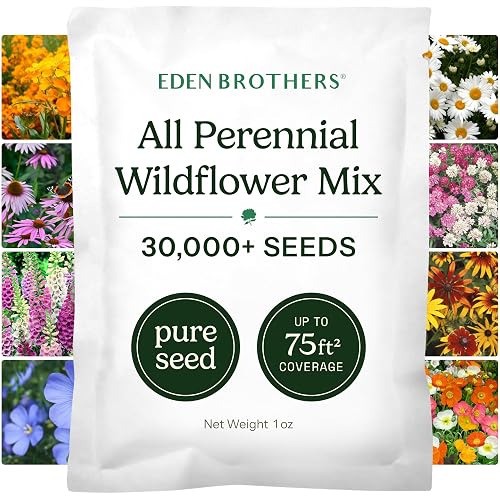 TOP CHOICEBest overallEden Brothers All Perennial Wildflower Mixed Seeds for Planting, 1 ozView on Amazon
- 2
 TOP CHOICEBest for pollinator gardensUSA Packed, Heirloom, Non-GMO New England Aster Heirloom Flower SeedsView on Amazon
- 3
 TOP CHOICEBest for tall, late-season colorPerennial Russell Lupine Seeds, 100 MixedView on Amazon
- 4
 Best for beginnersBest Perennials For Sun And Shade: A Practical Guide for Beginning GardenersView on Amazon
- 5
 Best for cool-season sowing5000+ Sweet William Seeds Perennial for Planting, DianthusView on Amazon
Our Top Picks
| Product | Best for | Key feature |
|---|---|---|
| Eden Brothers Wildflower Mix | Broad zone range | Zones 3–10 listed |
| USA Packed New England Aster | Pollinator gardens | Native, late fall blooms |
| Russell Lupine Seeds | Tall, vertical interest | Grows about 40 inches |
| Best Perennials For Sun And Shade | New gardeners | Planning and timing guide |
| Sweet William Seeds | Cool-season sowing | Hardy to Zones 3–9 |
Eden Brothers All Perennial Wildflower Mixed Seeds for Planting, 1 oz
Eden Brothers All Perennial Wildflower Mixed Seeds for Planting, 1 oz, Seeds with Lupine, Shasta Daisy | Attracts Pollinators, Plant in Spring or Fall, for Zones 3, 4, 5, 6, 7, 8, 9, 10
Best for: Broad zone coverage and flexible sowing windows
This mix suits gardeners who want one packet that works across a wide range of climates. The listing says it can be planted in spring or fall.
- Pros: Lists zones 3 through 10; spring or fall planting window
- Pros: Includes lupine and Shasta daisy for pollinator appeal
- Cons: Mixed seed means bloom timing varies by species
USA Packed, Heirloom, Non-GMO New England Aster Heirloom Flower Seeds
USA Packed, Heirloom, Non-GMO Seeds for Planting, Flower, Purple Fall Blooms, Native Perennial, Cut, Attracts Pollinators 600 New England Aster Heirloom Flower Seeds, Aster Novae-Angliae
Best for: Pollinator gardens and late-season purple color
Best suited to gardeners who want native plants that bloom when many other perennials have finished. Owners often report strong bee and butterfly visits.
- Pros: Native species with purple fall blooms
- Pros: Large seed count per packet
- Cons: Seeds usually need cold stratification for best germination
Perennial Russell Lupine Seeds, 100 Mixed
Perennial, Grows 40" Tall, Perennial Wildflowers for Winter & Fall Planting, Grown in the USA Russell Lupine Seeds, 100 Mixed
Best for: Tall, vertical interest in borders
A good fit for gardeners filling back borders or cottage-style beds. The listing describes winter and fall planting as suitable.
- Pros: Reaches about 40 inches tall
- Pros: Suited to fall or winter sowing
- Cons: Taproot makes transplanting difficult
Best Perennials For Sun And Shade: A Practical Guide for Beginning Gardeners
Best Perennials For Sun And Shade: A Practical Guide for Beginning Gardeners to Grow Beautiful, Low-Maintenance Perennial Gardens (Home Grown Gardening, 1)
Best for: New gardeners planning a seasonal planting calendar
This is a reference book rather than seed or plants, useful for anyone who wants to understand timing before buying stock. It covers sun and shade choices in one place.
- Pros: Organized by light conditions
- Pros: Good planning resource for first-time planters
- Cons: Regional timing may differ from your own zone
5000+ Sweet William Seeds Perennial for Planting, Dianthus
5000+ Sweet William Seeds Perennial for Planting-Dianthus Seeds Sweetness Flower Non-GMO Heirloom for Outdoor Garden Hardy to USDA Zones 3-9
Best for: Cool-season sowing and hardy borders
Suited to gardeners in cooler regions who want a hardy, fragrant perennial. Listed hardiness spans USDA Zones 3 through 9.
- Pros: Listed hardy to Zones 3–9
- Pros: Large seed count for borders or cutting beds
- Cons: Short-lived in very hot, humid summers
Buying Guide
Match planting time to your frost dates
Perennials need enough weeks of soil warmth to root before winter or summer stress. Check your last and first frost dates and plan sowing or transplanting around them.
Consider seed versus established plants
Seeds are cheaper per plant but take longer to bloom, often a full season or more. Started plants establish faster and are better when you want color the same year.
Check the USDA hardiness zone
A zone range on the label tells you where a plant survives winter. Choose species rated for your zone, and remember microclimates in sheltered or exposed spots.
Plan for light and soil drainage
Most perennials want well-drained soil, and light needs vary widely. Confirm sun or shade requirements before planting.
Good picks for this: Eden Brothers All Perennial Wildflower Mixed Seeds, Best Perennials For Sun And Shade
FAQ
Is fall or spring better for planting perennials?
Both work, but spring planting gives roots a full growing season, while early fall planting lets soil stay warm enough for roots to grow before winter. Many gardeners prefer fall in mild climates.
Can I plant perennial seeds in winter?
Some native species are sown in late fall or winter so cold stratification happens naturally. Check the seed packet for stratification needs.
How long before perennials bloom after planting?
Many perennials bloom the second year from seed, while started plants may flower the first season. Timing varies by species and climate.
Related reading
- Recommend the Best Perennials to Plant in May: 5 Top Picks for 2026
- Are Lily Plants Perennials? 6 Best Picks Compared for 2026
- Are Lantana Plants Perennials? 5 Best Picks Compared for 2026
- 7 Best Perennials Plants for Pots: Top Picks for Container Gardens (2026)
About Claire Whitaker
Claire Whitaker is part of our editorial team and reviews and edits our plant care Q&A guides, checking product details against manufacturer specifications and owner feedback.


