 By Claire Whitaker
Updated November 2026
Are aster plants perennials? Yes, most of them are. Hardy asters, including New England aster (Symphyotrichum novae-angliae) and New York aster (Symphyotrichum novi-belgii), survive winter in the ground and send up fresh growth every spring. In this guide you’ll learn which asters come back, how to tell a perennial aster from a short-lived one, and the steps for planting, feeding, dividing and overwintering them so they bloom reliably for years.
Which Asters Are Perennials?
Most of the asters sold in garden centers are herbaceous perennials. Their above-ground stems die back in fall, and the root system and crown stay alive underground. When soil warms in spring, new shoots emerge from the crown. The main perennial groups include:
Shopping for one? See our guide: Are Lily Plants Perennials? 6 Best Picks Compared for 2026.
- Michaelmas daisies (Symphyotrichum novi-belgii), which bloom in late summer and fall and are hardy in USDA zones 4–8.
- New England asters (Symphyotrichum novae-angliae), tall, sturdy plants with purple, pink or white flowers, hardy in zones 3–8.
- Calico aster (Symphyotrichum lateriflorum) and heath aster (Symphyotrichum ericoides), native perennials with small, airy blooms in zones 3–8.
- Frikart’s aster (Aster × frikartii), a long-blooming hybrid that flowers from early summer into fall, generally hardy in zones 5–8.
Some garden plants sold under the aster name are not true asters and behave differently. China aster (Callistephus chinensis) is a true annual, grown from seed each year and killed by the first frost. If you bought a seed packet labeled “annual aster,” expect it to finish and die by the end of the season.
Checking Whether Your Aster Is a Perennial
If you aren’t sure what you have, look at the plant’s label, seed packet or the nursery tag. Perennial asters are usually sold as potted plants or root divisions. Annual asters are almost always sold as seed.
You can also check by observation:
- Note the USDA hardiness zone printed on the tag and compare it with your own zone.
- In late fall, after a few hard frosts, dig gently at the base of the plant. A perennial will have a woody or fleshy crown with fine roots and small buds at the soil line.
- If the plant was growing in a previous season and returned in spring from the same spot, it is a perennial.
How to Grow Perennial Asters Successfully
Choose the Right Site
Asters need full sun for the strongest blooms and sturdiest stems. Aim for at least six hours of direct sun per day. In hot southern zones, afternoon shade can help prevent scorching. Good air circulation also lowers the risk of powdery mildew, which is common on asters.
Prepare the Soil
Asters tolerate a range of soils but grow best in moderately fertile, well-drained ground. Heavy clay holds too much water over winter and can rot the crown. Before planting, work 2 to 3 inches of compost into the top 8 to 10 inches of soil. Aim for a pH between about 6.0 and 7.5.
Plant at the Right Time and Spacing
Spring is the most reliable time to plant container-grown asters, after the last frost date has passed. In most areas, fall planting also works if you allow at least six weeks before the first hard freeze so roots can establish. Space plants 18 to 24 inches apart for larger types like New England asters, and 12 to 18 inches for smaller varieties. Set each plant at the same depth it was growing in its pot, then water thoroughly.
Water and Feed
Water deeply once or twice a week during the first growing season, providing about 1 inch of water per week, more in heat. Once established, asters are fairly drought-tolerant. Feed in early spring with a balanced, slow-release granular fertilizer or a 1 to 2 inch layer of compost. Avoid heavy nitrogen feeding in late summer, which encourages floppy, weak growth.
Pinch and Stake
Tall asters can flop by late summer. To keep them compact, pinch the top 2 to 3 inches off each stem in early June, once the plant reaches about 8 inches tall. This slows blooming slightly but produces a bushier plant with more flowers. Staking with grow-through hoops or bamboo stakes in May or June is easier than trying to support mature plants.
Dividing and Renewing Perennial Asters
Asters usually need dividing every two to three years. Plants left alone too long develop woody centers, bloom less, and become more prone to disease. Divide in early spring or fall, when the weather is cool.
- Water the plant the day before so the soil is moist but not soggy.
- Cut the stems back to about 4 inches.
- Dig around the clump about 6 inches out from the stems and lift the whole root ball.
- Shake or wash off excess soil so you can see the root structure.
- Pull or cut the crown into sections, each with several healthy shoots and roots.
- Replant the outer, vigorous sections right away. Discard the woody center.
- Water well and mulch lightly.
Overwintering Perennial Asters
Hardy asters need little winter protection in their hardiness zones. Leave the stems standing until early spring, since the hollow stems shelter beneficial insects and the seedheads feed birds. Cut the plants back to about 2 inches in early spring, just as new growth appears at the base. In zones at or below the plant’s hardiness limit, apply 2 to 3 inches of shredded leaves or straw mulch after the ground freezes, then pull it back in spring. In containers, move pots into an unheated garage or against a house wall, and water sparingly during dormancy.
Common Mistakes
- Buying annual China asters for a perennial bed. Check the label before planting so you know what to expect.
- Planting in shade. Asters grown in less than six hours of sun get leggy and bloom poorly.
- Overwatering in winter. Soggy soil around the crown is a common cause of rot.
- Skipping division. Clumps left undivided for four or more years often decline in the center.
- Cutting back in fall. Early cutting removes seedheads and shelter. Wait until spring.
- Ignoring powdery mildew. Space plants for airflow, water at the base, and remove affected leaves promptly.
Tips for Better Blooms
- Deadhead spent flowers to encourage more blooms, though many asters will still set seed if left to bloom.
- Pair asters with grasses, sedum or salvia for late-season color and structure.
- Plant a mix of early and late-blooming varieties to extend the display.
- Check the crown each spring and gently lift any plants heaved by frost.
Recommended Gear
- Slow-release granular fertilizer for a steady spring feeding without the risk of overfeeding. View on Amazon
- Grow-through plant support hoops to keep tall asters upright from early summer through bloom. View on Amazon
- Shredded leaf or bark mulch for insulating the crown over winter in colder zones. View on Amazon
- A sharp digging fork for lifting and dividing established clumps without damaging roots. View on Amazon
FAQ
Do asters come back every year?
Hardy perennial asters come back every year if they are planted within their hardiness zone and given good drainage. Annual China asters do not return and must be replanted from seed.
How long do perennial asters live?
A healthy perennial aster can live for many years, typically five or more, though clumps usually need dividing every two to three years to stay vigorous.
Why did my aster not come back in spring?
Common causes include planting outside the hardiness zone, waterlogged soil over winter, or cutting back too early and damaging the crown. Wait until new shoots appear before assuming the plant is dead, since some asters emerge late.
When is the best time to cut back asters?
Cut back in early spring, when new growth starts at the base. Fall cutting removes winter shelter and seedheads that wildlife use.
Can I grow asters in containers?
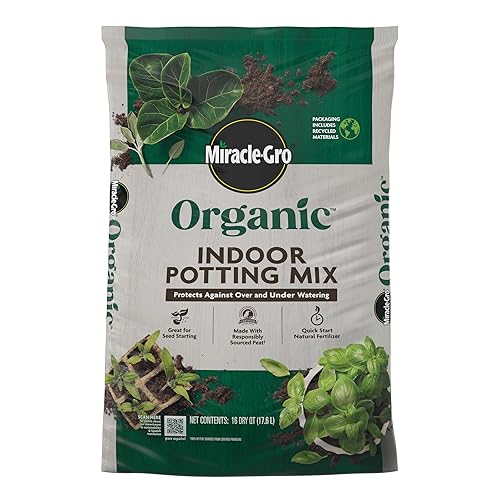
Yes. Use a pot at least 12 inches deep with drainage holes and a peat-free potting mix. Container plants dry out faster, so check moisture regularly. Move containers to a sheltered spot in winter, since roots in pots are more exposed to cold than those in the ground.
Do asters attract pollinators?
Yes. Asters are valuable late-season nectar sources for bees, butterflies and other pollinators, which is one reason many gardeners plant them in fall beds.
Are asters deer resistant?
Asters are generally considered moderately deer resistant, though hungry deer will browse them, especially young plants. Fencing or repellents may be needed in heavily browsed areas.
Conclusion
Most asters are reliable perennials that return year after year when matched to their hardiness zone. Give them full sun, well-drained soil and deep, infrequent watering, then divide every two to three years to keep them vigorous. Check the label before buying so you know whether you are getting a perennial or an annual.
Related reading
- When and How to Divide Perennial Plants Successfully
- What Does Perennials Plants Mean? A Plain-English Guide
- Difference Between Annuals and Perennials Plants (2026): Which Should You Choose?
Ready to choose one?
About Claire Whitaker
Claire Whitaker is part of our editorial team and reviews and edits our plant care Q&A guides, checking product details against manufacturer specifications and owner feedback.