By Claire Whitaker
Updated November 2026
Cut flower garden supplies are the tools, materials and amendments that help you grow blooms you can harvest, arrange and enjoy indoors all season. With the right setup, you can plant a small bed, keep stems straight and long, and cut flowers every few days from midsummer into fall. This guide walks through the supplies that matter most, how to use them in order, and the mistakes that cost new growers the most stems.
Start With the Right Growing Foundation
Most cut flowers are sun-lovers that want at least six hours of direct light a day, and many, including zinnias, cosmos and snapdragons, produce their longest stems in full sun. Before buying anything, measure your site and pick a spot with good drainage and access to water. Raised beds about 3 to 4 feet wide make harvesting easier because you can reach the center without stepping on the soil.
Shopping for one? See our guide: 7 Best Cottages with Flower Garden Picks for Every Home (2026).
Soil amendments
Cut flowers are heavy feeders compared with many ornamentals, and they respond well to rich, loose soil. A soil test from your local cooperative extension office will tell you your pH and nutrient levels. Most annual cut flowers prefer a pH between 6.2 and 7.0. Common amendments include:
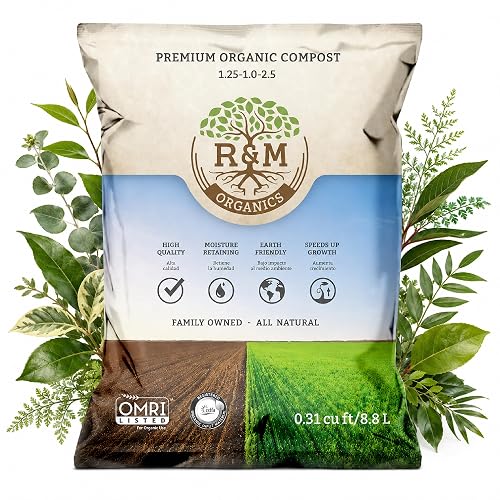
- Finished compost, worked 2 to 3 inches into the top 8 to 10 inches of soil
- Aged manure or a balanced organic fertilizer, applied at the rate on the label
- Elemental sulfur or lime, only if your soil test calls for pH adjustment
- Bone meal or rock phosphate for phosphorus, which supports root and bloom development
Avoid fresh manure at planting time, which can burn tender seedlings. Work amendments in at least two weeks before planting if you can.
Mulch and irrigation
Once plants are established, a 2 to 3 inch layer of straw or shredded leaves keeps moisture in and suppresses weeds. Drip tape or soaker hoses are better than overhead sprinklers, which wet foliage and encourage fungal problems like botrytis and powdery mildew. Aim for about one inch of water per week, delivered in a few deep sessions rather than daily sprinkles.
Supports, Stakes and Netting
Tall stems such as dahlias, snapdragons, sweet peas and delphiniums will flop in wind or rain without support. Supports also keep stems straight, which matters because buyers and vase arrangers prefer long, unbent flowers. Install supports at planting time or within the first two weeks, while roots are still small and stems are still flexible.
Choosing a support system
Three systems dominate cut flower beds:
- Grid netting stretched between T-posts or sturdy stakes at 6-inch mesh for small annuals and 8 to 12-inch mesh for taller crops. Flowers grow up through the squares and stay supported.
- Individual stakes and twine for dahlias, gladiolus and tall snapdragons. Place a stake at planting time, then tie stems loosely with soft jute or paper-covered wire.
- Cattle panel or hoop supports for climbers like sweet peas, which use tendrils and need a vertical structure to grab onto.
If you want a deeper comparison of stake options, see 7 Best Flower Stakes for Garden Beds in 2026.
Planting and Protection Supplies
Good starts make a noticeable difference in how quickly a bed produces. You will need seed-starting trays or cell packs, a sterile seed-starting mix, and a heat mat if you are starting warm-season flowers like zinnias indoors. Sow most annual cut flowers 6 to 8 weeks before your last frost date and harden them off over 7 to 10 days before transplanting.
Row covers and cloches
Floating row cover protects seedlings from early frost, flea beetles and cabbage worms, and it can extend your season by a few weeks at either end. Use lightweight fabric for frost and heavier fabric for insect exclusion. Low tunnels made from wire hoops and row cover work well for early sweet peas and stock.
Edging and bed borders
Defined edges keep paths clear and stop grass from creeping into your flower rows. Metal, stone or wood edging all work, and each has its own look and maintenance needs. For more options, check Flower Garden Edging Ideas: 9 Options That Define Your Beds (2026).
Harvest and Post-Harvest Supplies
How you cut and condition flowers matters as much as how you grow them. Stems cut at the wrong stage or left in the sun can wilt within hours.
Harvest tools
- Sharp bypass pruners or floral snips, sterilized between plants with rubbing alcohol
- A harvest bucket half-filled with water, kept in the shade
- A wide, shaded basket or cart for carrying stems to the workspace
- Clean cotton gloves or nitrile gloves for handling thorny stems like roses
Conditioning supplies
Once inside, condition stems before arranging. Recut stems at an angle under water, strip leaves below the waterline, and let them drink in a cool room for two to four hours or overnight. Use a clean bucket and floral preservative. Many growers also keep a bottle of household bleach or a commercial sanitizer to keep buckets and tools free of bacteria, which clog stems and shorten vase life.
Harvest Timing by Crop
The table below gives typical harvest stages for common cut flowers. Stage at harvest matters more than calendar age, so check the specific variety you planted.
| Flower | Harvest stage | Typical stem length | Support needed |
|---|---|---|---|
| Zinnia | Outer petals fully open, center still firm | 18 to 30 inches | Light netting |
| Snapdragon | Bottom third of florets open | 20 to 36 inches | Grid netting |
| Cosmos | Petals just unfurled | 24 to 36 inches | Light netting |
| Sweet pea | First two flowers on the stem open | 18 to 24 inches | Trellis or cattle panel |
| Dahlia | Petals open, centers not yet loose | 24 to 40 inches | Individual stake |
Recommended gear
These supplies are useful for most cut flower beds. Look for models that fit your bed size and tool preferences.
- Bypass pruners with a sharp, clean cut. They make a straight cut that heals faster than the crushing action of anvil pruners. View on Amazon
- Floral snips with a comfortable grip for repeated daily harvesting. View on Amazon
- Floating row cover to protect early and late plantings from frost and insects. View on Amazon
- Grid netting for flowers to hold tall stems upright without individual staking. View on Amazon
Common mistakes
- Planting too densely. Crowded plants produce short, weak stems. Follow the spacing on the seed packet, usually 6 to 12 inches for most annuals.
- Waiting too long to harvest. Flowers left on the plant past their peak stop producing new buds. Cut regularly, every two to three days in peak season.
- Harvesting in the heat of the day. Stems cut at midday are already stressed. Cut early in the morning when stems are fully hydrated.
- Skipping conditioning. Stems put straight into a vase often wilt faster than conditioned ones.
- Putting supports in late. Once stems have bent or lodged, straightening them is hard and often leaves a permanent kink.
Tips for a productive bed
- Succession sow every two to three weeks from spring into early summer to keep a steady supply.
- Pinch the tops of young plants like zinnias and cosmos to encourage side branching and more stems per plant.
- Keep a notebook of planting dates, varieties and harvest dates. It will guide your planning for next year.
- Rotate cut flower beds to new locations every few years to reduce soilborne disease.
FAQ
What are the most important cut flower garden supplies for beginners?
Start with compost, a soil test, drip irrigation or soaker hoses, grid netting or stakes, sharp bypass pruners, and a clean harvest bucket. These cover the core needs of most annual cut flowers.
How much space do I need for a cut flower bed?
A bed 4 feet wide and 10 to 20 feet long can supply a household with regular bouquets through much of the season. Larger beds make sense if you plan to sell.
Do I need a greenhouse to grow cut flowers?
No. Most cut flowers can be started indoors under a grow light or on a sunny windowsill and transplanted outdoors. A greenhouse helps with earlier starts, but it is not required.
What is the best time of day to cut flowers?
Early morning, after dew has dried but before the sun gets strong, is usually best. Stems are fully hydrated then and hold up longer in the vase.
How long do cut flowers last in a vase?
It depends on the variety and conditioning. Many annuals last 5 to 10 days when conditioned well and kept in clean water, away from heat and direct sun.
Can I use household bleach in flower water?
A small amount of household bleach or a commercial floral preservative can reduce bacteria in vase water. Follow label directions for dilution, and avoid getting it on foliage or petals.
Should I consult a professional about soil or plant problems?
For soil testing, your local cooperative extension office is a reliable resource. For plant disease diagnosis, a local nursery or extension plant clinic can confirm what is happening before you treat it.
Conclusion
A productive cut flower bed comes down to good soil, steady water, timely support, and disciplined harvesting. Build the foundation first, add stakes or netting before plants lean, and keep your cutting tools clean. Harvest often and condition every stem, and your bed will keep producing for months.
Related reading
- Wild Flower in Garden: A Step-by-Step Guide to Planting Native Blooms
- Types of Perennials Flowers: 7 Best Picks for Every Garden (2026)
- Perennials Flowers That Like Shade: 12 Reliable Picks for Dim Gardens
Ready to choose one?
About Claire Whitaker
Claire Whitaker is part of our editorial team and reviews and edits our plant care Q&A guides, checking product details against manufacturer specifications and owner feedback.