 By Claire Whitaker
Updated November 2026
Monstera deliciosa indoor plants are one of the most rewarding houseplants you can grow, and they are more forgiving than their dramatic leaves suggest. This guide walks you through light, watering, soil, and support so your plant produces large, glossy leaves with the signature splits and holes. Follow these steps and you should see steady new growth within a single growing season.
Give Monstera Deliciosa Indoor Plants Bright, Indirect Light
In its native understory, a monstera gets filtered light through a tree canopy. Indoors, aim for bright, indirect light for most of the day. A spot a few feet back from an east- or north-facing window works well, while a south or west window needs a sheer curtain to block harsh afternoon sun. Too little light produces small leaves with few splits, and direct sun can scorch the leaves to a bleached yellow-brown.
Shopping for one? See our guide: 4 Best Indoor House Plants Stands for Small Spaces and Sunny Windows.
Water Deeply and Let the Top Layer Dry
Water when the top 2 inches of soil feel dry, which often means every 1 to 2 weeks depending on pot size, temperature, and airflow. Pour water slowly until it runs out the drainage holes, then empty the saucer so the roots are not left sitting in water. Overwatering is the most common cause of trouble, so when in doubt, wait another day. Consider a watering can with a narrow spout so you can control the flow around the stem.
Choose a Chunky, Well-Draining Potting Mix
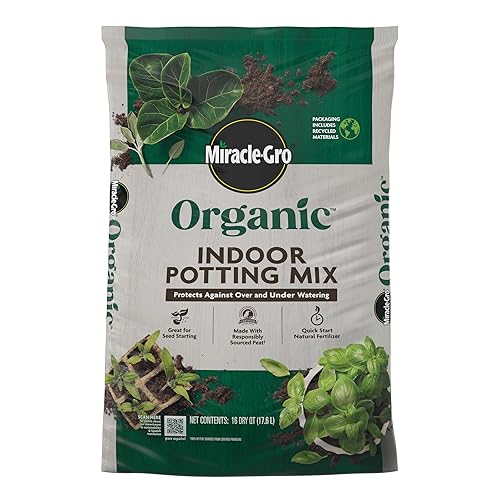
Monsteras have thick aerial roots and need air around them. Use a peat-based or coir-based aroid mix, then add perlite or orchid bark at roughly one part amendment to three parts mix. Choose a pot with at least one drainage hole, and go up only one pot size, about 2 inches wider, when repotting. Repot every 1 to 2 years, usually in spring.
Provide Support So Leaves Can Split and Grow Larger
In the wild, monsteras climb. Indoors, a moss pole or sturdy trellis lets the aerial roots anchor into the support and encourages larger, more mature leaves with deeper splits. Tie the main stem loosely with soft plant ties as it grows, and keep the moss damp so the roots can grip it. A simple structure also keeps the plant from sprawling and drooping.
Quick Care Checklist
- Place in bright, indirect light, away from harsh direct sun.
- Check soil with a finger; water when the top 2 inches are dry.
- Drain fully and empty the saucer.
- Use a chunky, airy aroid mix in a pot with drainage.
- Add a moss pole or trellis and tie the stem as it climbs.
- Feed monthly during spring and summer with a diluted balanced fertilizer.
Common Mistakes
- Watering on a fixed schedule instead of checking the soil first.
- Using dense potting soil that stays wet around the roots.
- Moving the plant often, which can cause leaf drop while it adjusts.
- Cutting off aerial roots, which the plant uses to climb and absorb moisture.
- Fertilizing in fall or winter when growth has slowed.
Recommended Gear
A moss pole gives the plant something to climb and helps leaves grow larger. View on Amazon
A chunky aroid potting mix drains quickly and suits the thick roots. View on Amazon
A watering can with a narrow spout lets you water the soil without soaking the leaves. View on Amazon
FAQ
Why is my monstera not splitting its leaves?
Splits usually develop on mature leaves in bright, indirect light and with a support to climb. Young plants and plants in low light often produce solid leaves until they grow larger.
How often should I water a monstera deliciosa indoors?
Most plants need water every 1 to 2 weeks, but the schedule depends on your home. Check the top 2 inches of soil and water only when they feel dry.
Are monstera deliciosa indoor plants toxic to pets?
Yes, the leaves and stems contain calcium oxalate, which can irritate the mouth and stomach of cats and dogs. Keep the plant out of reach and contact a veterinarian if your pet chews on it.
Conclusion
With bright, indirect light, careful watering, a chunky mix, and a sturdy support, monstera deliciosa indoor plants can grow into impressive specimens. Start with the checklist above and adjust one variable at a time. Patience is the main ingredient, since mature splits take time to develop.
Related reading
- Watering Cans for Indoor Plants: A Step-by-Step Guide to Choosing and Using One
- Varieties of Indoor Plants: 9 Types to Match Your Home (2026)
- Understanding Light Levels for Healthy Indoor Plants
Ready to choose one?
About Claire Whitaker
Claire Whitaker is part of our editorial team and reviews and edits our plant care Q&A guides, checking product details against manufacturer specifications and owner feedback.