
 By Carter Parker
Updated November 2026
Gardeners in USDA zone 6b face winters that typically dip to between -5°F and 0°F, with a growing season that rewards plants able to handle late spring frosts and hot, humid summers. Choosing perennials for zone 6b means looking past pretty flowers and checking three things: the plant’s listed hardiness range, its tolerance for summer heat and humidity, and how much maintenance it needs once established. The picks below were selected by reviewing manufacturer specifications, brand reputation and common owner feedback patterns. None of them were grown or tested in a personal garden for this article.
Our top picks at a glance
- 1
 TOP CHOICEBest overallSeeds Multicolor Tall Lupine MixView on Amazon
- 2
 TOP CHOICEBest for pollinator bordersFerry-Morse Cool Season Bulk Wildflower SeedsView on Amazon
- 3
 TOP CHOICEBest for fall bloomHeirloom New England Aster SeedsView on Amazon
- 4
 Best for mixed wildflower meadowsHOME GROWN 24 Wildflower Variety MixView on Amazon
- 5
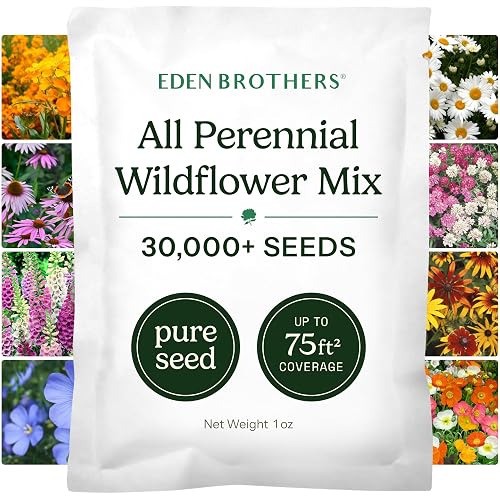 Best for low-effort plantingEden Brothers All Perennial Wildflower MixView on Amazon
- 6
 Best for cutting gardensPink Coneflower Seeds (Perennial Echinacea)View on Amazon
- 7
 Best for tall backdrop plantingsRussell Lupine SeedsView on Amazon
Our Top Picks
| Product | Best for | Key feature |
|---|---|---|
| Seeds Multicolor Tall Lupine Mix | Overall use in cottage-style borders | Listed for zones 4–8, spring or fall sowing |
| Ferry-Morse Cool Season Bulk Wildflower Seeds | Pollinator borders and large fields | Annual and perennial blend, zones 3a–9b |
| Heirloom New England Aster Seeds | Late-season color | Purple fall blooms that support pollinators |
| HOME GROWN 24 Wildflower Variety Mix | Mixed wildflower meadows | 24 varieties, high listed germination |
| Eden Brothers All Perennial Wildflower Mix | Beginners and low-effort planting | Covers zones 3 through 10, spring or fall planting |
| Pink Coneflower Seeds (Perennial Echinacea) | Cut flowers and sunny beds | Upright stems with raised central cones |
| Russell Lupine Seeds | Tall backdrop plantings | Listed height around 40 inches |
Seeds Multicolor Tall Lupine Mix
Seeds Multicolor Tall Lupine Mix 50+ Seeds to Grow Perennial in Zones 4-8 to Plant in Spring or Fall
Best for: Overall use in cottage-style borders
This is a good starting point for gardeners who want vertical color in the back of a border. Lupines are cool-season plants that prefer well-drained soil and dislike heavy summer heat, so zone 6b’s hot July afternoons are the main challenge.
Key specs
- Listed hardiness: zones 4–8
- Planting window: spring or fall
- Pack size: 50+ seeds
Pros
- Wide zone listing covers 6b comfortably
- Mixed colors add variety to a single planting
- Flexible spring or fall sowing
Cons
- Plants often perform short-lived in hot, humid summers
- Seeds need a cold period to germinate reliably
Bottom line: Best for gardeners who want tall, colorful spikes and are willing to plant fresh seed every few years.
Ferry-Morse Cool Season Bulk Wildflower Seeds
Non-GMO annual and perennial blend for early-spring and fall color in fields and borders. Zones 3a-9b. Ferry-Morse Cool Season Bulk Wildflower Seeds, 500,000+, 1 lb
Best for: Pollinator borders and large fields
This blend is aimed at larger areas where cost per square foot matters. Its mix of annuals and perennials means some plants will bloom the first year while others establish for later seasons.
Key specs
- Listed hardiness: zones 3a–9b
- Non-GMO annual and perennial blend
- Package size: 1 lb
Pros
- Very wide zone range suits zone 6b easily
- Good for early spring and fall color
- Covers a large area per pound
Cons
- Annual share means the mix will not return fully every year
- Less control over color placement than single-species packs
Bottom line: A practical choice for meadow-style plantings and gardeners who want bulk coverage for pollinators.
Heirloom New England Aster Seeds
USA Packed, Heirloom, Non-GMO Seeds for Planting, Flower, Purple Fall Blooms, Native Perennial, Cut, Attracts Pollinators 600 New England Aster Heirloom Flower Seeds, Aster Novae-Angliae
Best for: Late-season color
New England aster is a native perennial that blooms when many other plants have faded. It suits gardeners who want the border to stay productive into October.
Key specs
- Species: Aster novae-angliae
- Heirloom, non-GMO seed
- Pack size: 600 seeds
Pros
- Strong fall bloom for pollinators
- Native species suited to many regional gardens
- Good cut-flower potential
Cons
- Plants can grow tall and need staking in some beds
- Seed-grown plants may take a season or two to flower fully
Bottom line: Ideal for gardeners who need autumn interest and do not mind planning for taller plants.
HOME GROWN 24 Wildflower Variety Mix
High Germination, Heirloom, Non-GMO | 24 Varieties | Perennial Wildflowers | Attracts Bees, Birds & Hummingbirds HOME GROWN 24 Wildflower Variety Mix 90,000+ Flower Seeds 3 oz
Best for: Mixed wildflower meadows
This option offers a wide range of species in one packet, which helps create layered color across a season. It is well suited to open areas rather than formal beds.
Key specs
- 24 varieties in one mix
- Heirloom, non-GMO seed
- Net weight: 3 oz
Pros
- Variety supports bees, birds and hummingbirds
- Staggered bloom times extend the season
- Good germination reputation among owners
Cons
- Mixed seed makes precise color planning difficult
- Some species may be aggressive in small beds
Bottom line: A good pick for relaxed, pollinator-friendly areas where variety matters more than uniformity.
Eden Brothers All Perennial Wildflower Mix
Eden Brothers All Perennial Wildflower Mixed Seeds for Planting, 1 oz, Seeds with Lupine, Shasta Daisy | Attracts Pollinators, Plant in Spring or Fall, for Zones 3, 4, 5, 6, 7, 8, 9, 10
Best for: Beginners and low-effort planting
This all-perennial blend is designed for gardeners who want plants that come back on their own. It includes familiar names such as lupine and Shasta daisy.
Key specs
- Listed zones: 3 through 10
- Planting window: spring or fall
- Package size: 1 oz
Pros
- Wide zone listing covers zone 6b with room to spare
- All-perennial mix avoids replanting each year
- Includes recognizable, easy-care species
Cons
- Small package may cover only a modest area
- Establishment takes one to two seasons
Bottom line: Best for beginners who want a straightforward, long-lived planting with minimal ongoing work.
Pink Coneflower Seeds (Perennial Echinacea)
Ray petals around raised central cones; upright stems for outdoor planting in full sun and well-drained soil 100 Pink Coneflower Seeds for Planting, Perennial Echinacea
Best for: Cut flowers and sunny beds
Echinacea is one of the most drought-tolerant perennials commonly grown in the Midwest and Mid-Atlantic. Its sturdy stems make it useful for both borders and cutting gardens.
Key specs
- Species: Echinacea (purple coneflower type)
- Pack size: 100 seeds
- Light: full sun preferred
Pros
- Tolerates summer heat and short dry spells
- Upright stems suit cutting
- Attracts pollinators and goldfinches to seed heads
Cons
- Seedlings can take two seasons to bloom
- Needs well-drained soil; wet winter sites may cause rot
Bottom line: A dependable choice for sunny beds in zone 6b, especially for gardeners who want cut flowers.
Russell Lupine Seeds
Perennial, Grows 40" Tall, Perennial Wildflowers for Winter & Fall Planting, Grown in the USA Russell Lupine Seeds, 100 Mixed
Best for: Tall backdrop plantings
Russell hybrid lupines produce dense spires of pea-like flowers and are a classic choice for the back of a sunny or part-shade border.
Key specs
- Listed height: about 40 inches
- Planting window: winter, fall or spring
- Pack size: 100 seeds
Pros
- Strong vertical impact in borders
- Mixed colors add variety
- Suitable for winter or fall sowing
Cons
- Lupines often decline after a few years in hot summers
- Foliage can look ragged after flowering
Bottom line: Good for gardeners who want height and color and are prepared to re-sow periodically.
Buying Guide
Check the USDA zone range
Zone 6b covers average annual minimum temperatures of roughly -5°F to 0°F. Look for plants listed for zones 5 or 4 through 8 or 9, since that gives a safety margin for unusually cold winters. Plants listed only for zones 7 and up may struggle here.
Good picks for this: Eden Brothers All Perennial Wildflower Mix, Seeds Multicolor Tall Lupine Mix
Consider summer heat and humidity
Zone 6b summers can be hot and muggy. Plants such as lupines often decline in heat, while echinacea and asters generally handle it better. If you have a sunny, dry site, prioritize heat-tolerant species.
Good picks for this: Pink Coneflower Seeds (Perennial Echinacea), Heirloom New England Aster Seeds
Match bloom timing to your goals
Early-season color from lupines suits spring borders, while asters carry the garden into fall. Mixes with staggered bloom times give longer displays but less control over color placement.
Good picks for this: HOME GROWN 24 Wildflower Variety Mix, Heirloom New England Aster Seeds
Check seed versus starter plant options
Seeds are inexpensive per plant but take one to two seasons to bloom for many perennials. If you need flowers this year, consider nursery starts alongside seed. Seed sowing rewards patience and gives access to species not sold as plants.
Good picks for this: Eden Brothers All Perennial Wildflower Mix, Russell Lupine Seeds
Assess size and spacing
Tall plants like lupines and asters need space at the back of a bed, while coneflowers fit the middle. Read the expected mature height and spread before buying, and plan spacing so plants have airflow to limit mildew.
Good picks for this: Russell Lupine Seeds, Pink Coneflower Seeds (Perennial Echinacea)
Think about pollinator and wildlife value
Many perennials support bees, butterflies and birds. Native species and single-flower types generally offer more accessible pollen and nectar than heavily doubled cultivars.
Good picks for this: Ferry-Morse Cool Season Bulk Wildflower Seeds, HOME GROWN 24 Wildflower Variety Mix
Plan for soil drainage
Most perennials in this list prefer well-drained soil. Heavy clay in zone 6b can cause winter rot, so amend beds with compost or plant on slight mounds if drainage is poor.
Good picks for this: Pink Coneflower Seeds (Perennial Echinacea), Eden Brothers All Perennial Wildflower Mix
FAQ
Which perennials are best for zone 6b?
Coneflower, New England aster and lupine are commonly recommended for zone 6b because they tolerate the local winter range. Plant selection should also account for summer heat and soil drainage.
When is the best time to plant perennial seeds in zone 6b?
Many perennial seeds can be sown in fall or late winter, since they need a cold period to germinate. Spring sowing also works for many species, though germination may be less uniform.
Do seed-grown perennials bloom the first year?
Often not. Many perennials form roots and foliage in the first season and bloom in the second or third. Some mixes include annuals that flower sooner.
How deep should perennial seeds be planted?
As a general rule, sow seeds about two to three times their own diameter deep. Very fine seeds are often surface-sown and lightly pressed in. Check the packet for species-specific guidance.
Why do some perennials decline after a few years?
Lupines and some other short-lived perennials often decline due to heat, humidity or crowding. Dividing clumps, improving drainage and re-sowing can extend their presence.
Can I grow these in shade?
Most of the picks here prefer full sun to part sun. Check each product’s light requirement and consider shade-tolerant perennials for darker areas.
Conclusion
For most zone 6b gardens, the Eden Brothers All Perennial Wildflower Mix and Pink Coneflower Seeds offer the most reliable, low-fuss results, especially for beginners. Gardeners wanting fall color should consider New England aster, while those planting large pollinator areas may prefer the Ferry-Morse bulk blend. Tall backdrop plantings suit Russell lupine, though it may need re-sowing over time. Match each pick to your site’s sun, drainage and space before buying.
Sources
- The USDA Plant Hardiness Zone Map and how zones are defined by average minimum temperatures (usda.gov)
- Regional university extension guidance on perennial establishment, soil drainage and seed sowing (extension.org)
- Native plant information and pollinator-friendly planting recommendations (nps.gov)
Related reading
- 8 Best Zone 5 Flowering Perennials for Cold-Climate Gardens (2026)
- 8 Best Perennials for Zone 6a Gardens in 2026
- When and How to Divide Perennial Plants Successfully
- Perennials That Bloom All Year: A Step-by-Step Guide to Continuous Color
- Perennials Planted in Fall: A Step-by-Step Guide for Beginners

About Carter Parker
Carter has been writing about plant care q&a for this site, with an eye on clear explanations, honest trade-offs and options for different needs and budgets.



