

As an Amazon Associate I earn from qualifying purchases. This page may contain affiliate links.
Tradescantia zebrina houseplant care is simpler than most people expect, but the choice of starter plant matters more than many buyers realize. Zebrina, often sold as wandering Jew, has striped purple and silver leaves that trail quickly, and it can fill a hanging basket or shelf within a few months when light and watering are right. The trouble is that plants sold online vary a great deal in size, rooting, pot type and how much they have been handled in shipping. This guide compares four well-known listings and explains what to look for, so you can pick a plant that suits your light, your space and your willingness to pinch and prune.
The selection criteria here were research-based: we looked at what each listing states about plant count, pot size, rooting and intended use, along with general patterns that owners tend to describe in reviews, such as whether stems arrive rooted or bare, whether the plants look full, and how well they handle indoor conditions. We did not test these plants ourselves. Where a detail was not clearly stated in the listing, we left it out rather than guess.
Our Top Picks
Quick Comparison
| Product | Best for | Key feature |
|---|---|---|
| Easy Care Indoor Air Purifying Purple Houseplants Tradescantia Zebrina Live Plants Pack of 10 | Filling multiple pots or a large shelf | Pack of 10 plants |
| Tradescantia Zebrina Starter Plants – Pack of 5 | Beginners who want a small group to propagate | Pack of 5 starter plants |
| Shop Succulents Tradescantia Zebrina, Hanging Live Indoor Plant | Hanging baskets and trailing displays | Ready-to-hang nursery pot |
| Fully Rooted Tradescantia Nanouk, Rare Pink Live Succulent Plant | Collectors and anyone wanting a pink-toned variety | Fully rooted in a 4-inch pot |
Easy Care Indoor Air Purifying Purple Houseplants Tradescantia Zebrina Live Plants Pack of 10 Purple Wandering Jew

Easy Care Indoor Air Purifying Purple Houseplants Tradescantia Zebrina Live Plants Pack of 10 Purple Wandering Jew
This pack suits growers who want to fill several containers at once, such as a window shelf, a row of small pots or a mixed trailing arrangement. Ten plants gives you enough material to pinch, root in water and spread around the home over time.
Key specs
- Plant type: Tradescantia zebrina (wandering Jew), live plants
- Quantity: pack of 10
- Foliage: purple and silver striped leaves
Pros
- Good value for filling several pots or a long shelf
- Multiple plants give you backup if one stem suffers in transit
- Easy to propagate extra cuttings from the same batch
Cons
- Ten plants can be more than a small apartment needs
- Individual stems may vary in fullness, so expect some thinning or a bit of recovery time
Tradescantia Zebrina Starter Plants – Pack of 5, Healthy and Pest-Free, Vibrant Purple Foliage, Perfect for Home & Garden, Easy-Care Indoor/Outdoor Houseplant

Tradescantia Zebrina Starter Plants – Pack of 5, Healthy and Pest-Free, Vibrant Purple Foliage, Perfect for Home & Garden, Easy-Care Indoor/Outdoor Houseplant
A five-plant starter pack fits beginners and anyone who wants a manageable number of plants to learn on. Five plants is enough to try a couple of placements and still have cuttings to root.
Key specs
- Plant type: Tradescantia zebrina starter plants
- Quantity: pack of 5
- Foliage: vibrant purple, indoor or outdoor use noted in the listing
Pros
- Smaller commitment for a first attempt at zebrina
- Listing emphasizes healthy, pest-free plants, which is a good starting point
- Works for indoor or sheltered outdoor spots
Cons
- Starter-sized plants need a few weeks to look full in a hanging basket
- Outdoor use is limited to frost-free conditions, so it is not a perennial solution in cold climates
Shop Succulents Tradescantia Zebrina, Hanging Live Indoor Plant, Easy Care Hanging Trailing Houseplant in Nursery Pot, Air Purifying Plant in Soil, Housewarming, Home Décor, Trails 1-2 Feet

Shop Succulents Tradescantia Zebrina, Hanging Live Indoor Plant, Easy Care Hanging Trailing Houseplant in Nursery Pot, Air Purifying Plant in Soil, Housewarming, Home Décor, Trails 1-2 Feet
This option suits people who want a plant that is ready to hang or set on a high shelf right away. The listing describes a trailing habit reaching roughly 1 to 2 feet, which makes it a good match for a hanging basket near a bright window.
Key specs
- Plant type: Tradescantia zebrina, hanging trailing houseplant
- Presentation: live plant in soil, nursery pot
- Stated trail length: 1 to 2 feet
Pros
- Arrives in soil and ready to display without extra setup
- Trailing length is clearly stated, which helps with planning
- Well suited to gifting or housewarming use
Cons
- Single-plant format offers less material for propagation
- Hanging placement needs enough light to keep the stripes vivid
Fully Rooted in 4″ Pot, for Indoor Outdoor Home Office Wedding Hanging Decor, Keep Away from Pets, Easy to Care Tradescantia Nanouk, Rare Pink Live Succulent Plant
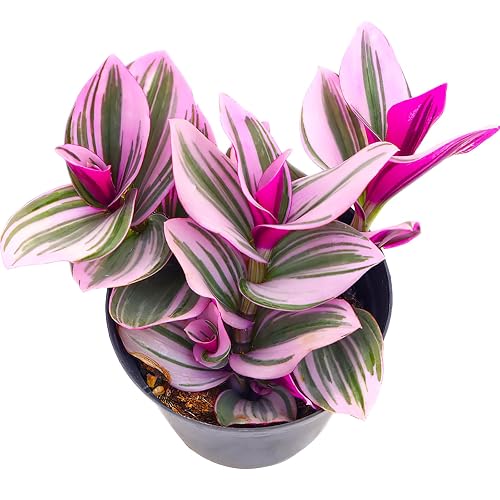
Fully Rooted in 4" Pot, for Indoor Outdoor Home Office Wedding Hanging Decor, Keep Away from Pets, Easy to Care Tradescantia Nanouk, Rare Pink Live Succulent Plant
This is the most specialized pick. It is for growers who want a pink-toned tradescantia and are comfortable with a plant that is sold as a rarer variety. Because it is fully rooted in a 4-inch pot, it may establish faster than bare-root cuttings.
Key specs
- Plant type: Tradescantia Nanouk, live succulent plant
- Pot size: 4 inches, fully rooted
- Foliage: pink tones noted in the listing
Pros
- Fully rooted in a 4-inch pot, a good head start
- Pink variety adds contrast to a purple-heavy collection
- Listing notes it is safe to keep away from pets, which is worth confirming for your household
Cons
- Nanouk is a different cultivar from classic zebrina, so its color and growth habit may differ
- Pink variegation can fade in low light, so placement matters more
Buying Guide
Selection criteria
Good tradescantia zebrina houseplant care starts with the plant you receive. Look at whether the listing states plant count, pot size and whether the plants are rooted. Fully rooted plants generally establish faster than loose cuttings, while larger quantities give you more material for propagation. Check that the description names the species or cultivar clearly, since zebrina and related tradescantias differ in color and growth.
Important features
- Rooting: Fully rooted in soil is usually the easiest start.
- Quantity: Packs of five or ten suit propagation; single plants suit ready-to-display use.
- Pot size: A 4-inch pot is a common, practical size for an established start.
- Intended placement: Hanging and indoor-only listings differ from starter packs meant for outdoor use.
Specs to check
- Stated trail length, if you plan to hang the plant
- Indoor or outdoor suitability, and your local frost dates
- Whether the plant is described as pet-safe. Tradescantia can irritate skin and mouth tissue, so check with a veterinarian if pets chew plants.
Choosing by need
- Filling several spots: a pack of ten gives you the most material.
- Learning the plant: a five-plant starter pack keeps the commitment modest.
- Hanging display: a ready-to-hang single plant saves setup time.
- Color variety: a pink-toned cultivar adds contrast, but expect a different look from classic zebrina.
Things to watch out for
Zebrina prefers bright, indirect light. Too little light leads to leggy stems and faded stripes; direct hot afternoon sun can scorch leaves. Water when the top inch of soil feels dry, and let excess drain freely, since soggy soil causes stem rot. Pinch growing tips every few weeks to keep plants bushy, and root cuttings in water if stems get bare at the base. Repot when roots fill the pot, usually every one to two years.
FAQ
How often should I water tradescantia zebrina?
Water when the top inch of soil is dry, which is often every five to seven days in bright indoor conditions, but this varies with pot size, light and temperature. Always check the soil first rather than watering on a fixed schedule.
Why are the purple stripes fading on my plant?
Fading usually points to too little light. Move the plant closer to a bright window with filtered light. Direct hot sun can also bleach leaves, so aim for bright but not scorching conditions.
Is tradescantia zebrina safe around pets?
Tradescantia can cause mild skin irritation and mouth discomfort if chewed, and sap can irritate sensitive skin. Keep it out of reach of pets and consult a veterinarian if an animal eats any.
How do I make my plant look fuller?
Pinch the growing tips every few weeks. This encourages side branching. Trimmed pieces can be rooted in water to create new plants for the same pot or others.
Can zebrina grow outdoors?
It can grow outdoors in frost-free climates or in a sheltered, shaded spot during warm months. It is not frost-tolerant, so bring plants inside before temperatures drop toward freezing.
How often should I repot?
Repot every one to two years, or when roots circle the inside of the pot or grow through drainage holes. Use a well-draining potting mix and a pot only slightly larger than the root ball.
Why are the stems bare at the base?
Trailing plants often lose lower leaves as they age, especially in low light. Pinch growing tips to encourage new growth, and replace the plant with rooted cuttings if the base stays bare.
Conclusion
For most growers, tradescantia zebrina houseplant care comes down to bright light, careful watering and regular pinching. Among these four listings, the pack of ten suits anyone who wants to fill multiple spots, the five-plant starter pack suits a first attempt, the hanging-ready single plant suits quick displays, and the fully rooted pink Nanouk suits collectors who want a different color. Choose based on how many plants you want, whether you plan to hang them, and how much light your space receives.
Related reading
- We The Wild Houseplant Care Kit Review: 7 Best Options Compared (2026)
- Watermelon Peperomia Houseplant Care: 5 Best Picks Compared for Growers
- Water Lily Houseplant Care: A Step-by-Step Guide for Healthy Blooms
- Wandering Jew Houseplant Care: A Step-by-Step Guide for Healthy Growth
- Variegated Ginger Houseplant Care: A Step-by-Step Guide for Healthy Growth
- Strawberry Begonia Houseplant Care: A Step-by-Step Guide for Healthy Growth




