As an Amazon Associate I earn from qualifying purchases. This page may contain affiliate links.
Cats love flower beds. The soil is loose, the mulch is warm, and the plants make excellent hiding spots. The good news is that you can keep cats out of a flower garden without trapping them, poisoning them or fighting a losing battle every morning. The method that works best combines a physical barrier, a few scent or texture deterrents, and some changes to how the bed is set up. This guide walks through each step so you can choose what fits your yard.
Why Cats Target Flower Beds
Before you pick a deterrent, it helps to understand what draws cats in. Most of the time, a flower bed offers three things they want: soft, freshly turned soil for digging and toileting, sunny spots for lounging, and cover from birds and neighborhood dogs. Some cats also use the bed as a hunting ground for insects and rodents. If you remove or reduce one of these attractions, the bed becomes less appealing even before you add any barrier.
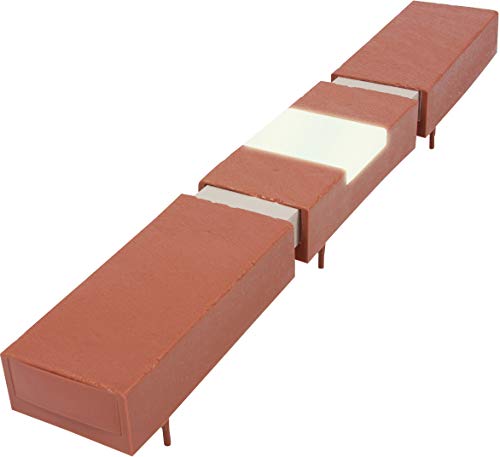
Shopping for one? See our guide: 8 Best Flower Garden Edging Ideas for Defined Beds in 2026.
Step 1: Remove the Attractions
Start by making the bed less inviting. Loose, bare soil is the biggest draw, so cover any open ground. A 2 to 3 inch layer of shredded bark, pine straw or chopped leaves works well. Avoid cocoa bean mulch, which is toxic to cats and dogs if they eat it. Many cats dislike the feel of certain textures, so a coarse mulch under your plants is often enough to redirect them.
Next, look for cat-friendly features you may have added without thinking about it. Sandboxes, loose sand piles, and potting soil left out in open bags all invite digging. Clean up any dead animal remains, compost scraps or fallen fruit, since these bring in more visitors.
Step 2: Install a Physical Barrier
A barrier is the most reliable method for most gardens. Cats are agile, but they generally avoid crossing surfaces that are unstable or unpleasant to walk on.
Chicken wire or hardware cloth
Lay chicken wire flat over the soil, then cover it with mulch or set plants through the openings. The wire stops digging and makes walking uncomfortable. Use hardware cloth with openings no larger than 1 inch if you also need to keep out small animals. Pin it down with landscape staples every 12 to 18 inches so it does not lift at the edges.
Pointed or rough mulch barriers
Pine cones, holly clippings and thorny rose prunings scattered on the soil surface create an uncomfortable walking surface. This works best as a supplement rather than a stand-alone solution, because cats will eventually settle on patches that are less prickly.
Fencing around the perimeter
A low fence of 18 to 24 inches with a horizontal top rail discourages cats from jumping in. Cats prefer to walk in and out of a space, so a border they cannot easily step over helps. For stronger results, add an angled top section or a strip of wire mesh that bends outward. Make sure the fence sits low enough that a cat can see through it, since visible barriers are often respected more than hidden ones.
Step 3: Use Deterrents
Deterrents work best when combined with a barrier, not used alone. Cats adapt quickly, so rotate methods every few weeks if you notice visits returning.
Scent deterrents
Many cats dislike citrus peels, coffee grounds, and the smell of certain herbs like rue or lavender. Some gardeners sprinkle citrus peels around the edges of the bed or spread used coffee grounds lightly across the soil. Commercial cat repellent sprays are also available, typically formulated with plant-based oils. Reapply after rain, and check the label for directions on which plants and surfaces it is safe to use on.
Motion-activated sprinklers
A motion-activated sprinkler releases a short burst of water when an animal crosses its sensor zone. Cats generally find the sudden spray unpleasant and learn to avoid the area. Position the sensor to cover the bed’s entry points, and test the range before leaving it running unattended. Sprinklers are most effective in warmer months and need a water source nearby.
Ultrasonic devices
Ultrasonic repellers emit high-frequency sound that is uncomfortable for many cats. Results vary a lot between animals, and some cats ignore them entirely. Owners often report better results when pairing these with a physical barrier.
Step 4: Plant Strategically
The plants you choose can make a difference. Dense, low-growing perennials leave less open ground for cats to use. Pack plants closer together so the bed fills in faster. Some gardeners use plants with strong scents, such as rosemary, lavender or mint, along the edges. Keep in mind that some of these are not safe for cats if they are chewed, so check plant safety before planting. The ASPCA maintains a searchable database of toxic and non-toxic plants for pets.
If you are planning a new bed, grouping plants densely from the start discourages digging and makes the space less attractive to lounge in. For more on choosing plants that suit your site, see How to Choose the Right Plants for Your Garden Conditions.
Step 5: Set Up a Dedicated Cat Zone
If your cats are persistent, offer them an alternative. A sandbox filled with play sand, placed a few feet from the flower bed, can satisfy the urge to dig. Some owners find that cats stop using the flower bed once a more appealing digging spot is available. Keep the sandbox clean and cover it when not in use so it does not become a litter box for other animals.
Recommended gear
- Galvanized hardware cloth: sturdy, long-lasting mesh for laying over soil to block digging. View on Amazon
- Motion-activated garden sprinkler: a water-based deterrent that triggers when cats enter the bed. View on Amazon
- Landscape staples: pins that hold wire mesh flat against the soil so cats cannot lift the edges. View on Amazon
- Cat repellent spray: a plant-based scent deterrent for edges and surrounding soil. View on Amazon
Checklist for Keeping Cats Out
- Cover all bare soil with mulch at least 2 inches deep.
- Remove any sandboxes, open soil piles or food scraps nearby.
- Lay wire mesh over open areas and secure it with staples every 12 to 18 inches.
- Add a low perimeter fence or border if the bed is accessible from several sides.
- Apply a scent deterrent to the edges and reapply after rain.
- Install a motion sprinkler aimed at the main entry route.
- Offer an alternative digging spot away from the bed.
- Check the bed weekly and adjust methods if visits return.
Comparison of Common Methods
| Method | Best For | Effort Level | Notes |
|---|---|---|---|
| Wire mesh cover | Stopping digging | Moderate | Most reliable; needs to be secured well |
| Motion sprinkler | Active roaming cats | Low to moderate | Requires a water source; works in warm weather |
| Scent deterrent | Edges and borders | Low | Needs regular reapplication after rain |
| Perimeter fence | Open-access beds | Moderate to high | Visible barriers are often more effective |
| Rough mulch | Supplementing other methods | Low | Cats may adapt over time |
Common Mistakes
- Using cocoa mulch. It smells appealing to cats and is toxic if eaten.
- Relying on one method. Cats adapt, so layered approaches last longer.
- Leaving wire loose. Lifted edges become new digging spots.
- Using essential oils near cats carelessly. Many oils, including tea tree and peppermint, can be harmful to cats. Check labels and avoid concentrated oils.
- Ignoring the sprinkler’s range. Test coverage before relying on it.
- Forgetting to protect young plants. Seedlings are easily dug up, so cover new beds until plants are established.
Tips for Long-Term Success
Consistency matters more than any single tool. Walk the bed every few days and fill in any patches of bare soil you find. If you are also managing soil health, adding organic material can improve the bed while reducing bare ground; see How to Use Compost in Garden Soil: Amounts, Timing and Top-Dressing for guidance on amounts and timing. Mulching also helps retain moisture, so How to Choose and Apply Different Types of Garden Mulch is a useful companion read.
If the bed suffers from compaction, cats may be more inclined to dig in the softer patches around the edges. How to Fix and Prevent Compacted Garden Soil explains how to loosen and protect the soil surface. Finally, keeping your flowers healthy makes the bed look less vulnerable overall; How to Keep Flowers Blooming and Healthy in Your Garden covers the basics.
FAQ
Are coffee grounds safe to use as a cat deterrent?
Used coffee grounds are generally safe in small amounts and many cats dislike the smell. Spread a thin layer rather than a thick mound, since heavy use can compact the soil and affect drainage. Coffee grounds are not a complete solution on their own.
Will cats eventually stop coming back?
Often, yes, especially when the bed becomes less attractive and a barrier is in place. Cats may still test the area occasionally, so keep up with maintenance rather than assuming the problem is permanently solved.
Is it safe to use citrus peels in the garden?
Citrus peels are generally safe to scatter around edges and they break down over time. Avoid piling them thickly in one place, since they can attract insects and mold in wet weather.
Do motion sprinklers harm cats?
A brief spray of water is startling but not harmful when used as intended. Avoid aiming the sprinkler at a cat’s face, and keep the device set to a reasonable range.
What plants should I avoid if I have cats?
Several common garden plants are toxic to cats, including lilies, which can cause severe kidney damage, and sago palms. Check the ASPCA’s toxic plant list before planting, and if your cat eats a plant you are unsure about, contact your veterinarian or a animal poison control service right away.
Can I use mothballs to keep cats away?
No. Mothballs contain chemicals that are toxic to cats and other animals, and they should never be used in the garden. Choose safer deterrents instead.
How long should I leave a barrier in place?
Leave wire mesh and fencing in place until plants are established and the bed is filled in. Check barriers each season for rust, lifted edges and gaps, and repair them promptly.
What if a cat is digging up my bulbs?
Plant bulbs deeper than usual and cover the planting area with wire mesh until the foliage emerges. Many gardeners also plant bulbs in mesh baskets, which keeps them protected while they grow.
Conclusion
Keeping cats out of a flower garden comes down to making the bed less attractive and harder to use. Combine a physical barrier such as wire mesh with scent deterrents, a motion sprinkler and a dedicated digging area for the best results. Check the bed regularly, reapply deterrents as needed, and adjust your approach if cats find a new way in. With consistent care, your flowers can grow undisturbed.