
 By Claire Whitaker
Updated November 2026
Perennials for zone 7 shade are a practical answer to one of the most common gardening frustrations: a planting bed that gets little direct sun but still needs color and structure. Zone 7 winters are mild enough for many woodland and shade perennials to return reliably year after year, while summers can be hot and humid, so the best choices tolerate both dry shade under trees and moist shade near buildings. The picks below were chosen by comparing plant specifications, brand reputation and common owner feedback, with a focus on hardiness, light tolerance and bloom or foliage interest.
Our top picks at a glance
- 1
 TOP CHOICEBest overallGreat Shade Perennials Sieboldiana Elegans HostaView on Amazon
- 2
 TOP CHOICEBest for color in dim bordersWild Columbine Seeds for Planting, Aquilegia CanadensisView on Amazon
- 3
 TOP CHOICEBest for bare-root startsMixed Hosta Bare Roots – Shade Garden PerennialsView on Amazon
- 4
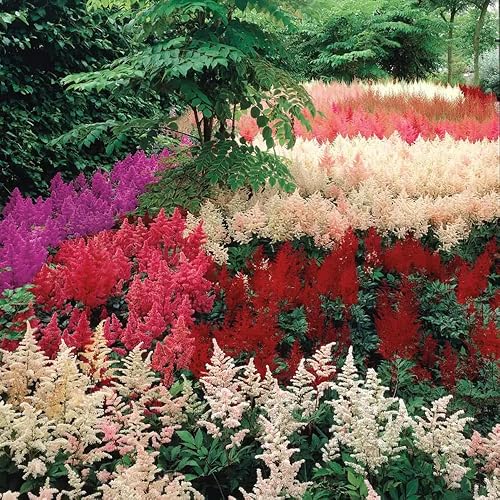 Best for moist shadeMixed Astilbe Seeds Perennial Shade FlowersView on Amazon
- 5
 Best for pollinatorsOutsidepride Wild Blue Perennial Lupine SeedsView on Amazon
- 6
 Best for rock gardens and edgesAubrieta Seed, Lilacbush Perennial Flower SeedsView on Amazon
- 7
 Best native optionSurvival Garden Seeds Smooth Blue AsterView on Amazon
Our Top Picks
Before you buy, it helps to know that shade perennials fall into two broad groups. Some, like hostas and astilbes, want consistently moist soil and perform best in dappled or morning-sun shade. Others, like columbine and wild blue lupine, handle drier conditions better once established. Zone 7 gardeners often have both situations on one property, so the comparison below notes the growing preferences for each plant.
Quick Comparison
| Product | Best for | Key feature |
|---|---|---|
| Great Shade Perennials Sieboldiana Elegans Hosta | Large foliage in shade beds | Blue-gray, heavily textured leaves |
| Wild Columbine Seeds (Aquilegia canadensis) | Color in dim borders | Red and yellow nodding flowers |
| Mixed Hosta Bare Roots | Quick establishment | Mixed foliage colors from bare roots |
| Mixed Astilbe Seeds | Moist shade gardens | Feathery plumes in multiple colors |
| Outsidepride Wild Blue Perennial Lupine Seeds | Pollinator gardens | Self-sowing, cold-hardy blooms |
| Aubrieta Seed, Lilacbush | Edges and rock gardens | Mat-forming purple flowers |
| Smooth Blue Aster Seeds | Native plantings | Late-season blue blooms for pollinators |
Great Shade Perennials Sieboldiana Elegans Hosta
Great Shade Perennials, Sieboldiana Elegans Hosta Lily Root, Plant, Start for Growing Zones 3-8
Best for: Large, dramatic foliage in shade beds
This hosta suits gardeners who want a bold leaf mass as the backbone of a shade border. It is a good match for zone 7 because hostas are generally hardy across a wide range of climates, and the listing states a growing range of zones 3 to 8.
Key specs
- Listed hardiness: zones 3–8
- Light: part to full shade
- Foliage: large, blue-gray, heavily textured leaves
- Form: clump-forming perennial, sold as a root
Pros
- Strong foliage presence from spring through frost
- Covers the zone 7 hardiness range without special winter protection
- Works well as an anchor plant among ferns and groundcovers
Cons
- Slugs and snails often target young leaves
- Needs consistently moist soil to look its best
Bottom line: Pick this if you want the largest, most architectural shade plant in the lineup and can manage slug pressure.
Wild Columbine Seeds for Planting, Aquilegia Canadensis
2000+ Wild Columbine Seeds for Planting, Aquilegia Canadensis Flower Seeds, Perennial Hummingbird & Butterfly Garden Flowers, Shade Tolerant Outdoor Garden Seeds
Best for: Color in dim borders and hummingbird gardens
Wild columbine is a native woodland perennial that blooms in spring and draws hummingbirds. It is a good choice for dry to average shade under trees, where many showier plants struggle.
Key specs
- Native species, Aquilegia canadensis
- Light: partial to full shade
- Flowers: nodding red and yellow blooms
- Sold as seed; plants typically flower in their second year
Pros
- Tolerates drier shade than most woodland perennials
- Attracts hummingbirds and pollinators
- Often self-seeds in suitable beds
Cons
- Seed-grown plants take patience before the first bloom
- Leaf miners can disfigure foliage in some seasons
Bottom line: A strong pick for gardeners who want native color under trees and are willing to wait a season for results.
Mixed Hosta Bare Roots – Shade Garden Perennials
Mixed foliage colors | Hardy perennials | Perfect for shady borders | Returns each spring in suitable climates | 6 bare roots 6 Mixed Hosta Bare Roots for Planting – Shade Garden Perennials
Best for: Faster establishment with mixed foliage colors
Bare-root hostas give a head start compared with seed. This set suits gardeners who want to fill a shady bed quickly and enjoy variety in leaf color.
Key specs
- Six bare roots in mixed foliage colors
- Light: shade to part shade
- Returns each spring in suitable climates
- Planting window: typically early spring or fall
Pros
- Establishes faster than seed-grown plants
- Mixed colors add interest without extra planning
- Perennial habit suits zone 7 winters
Cons
- Bare roots must be kept moist and planted promptly
- Limited to six plants, so larger beds need multiple packs
Bottom line: Choose this set for a quick, colorful start in a defined shade bed.
Mixed Astilbe Seeds Perennial Shade Flowers
1000 Pcs Mixed Astilbe Seeds Perennial-Shade Tolerant Flower Seeds for Planting Vibrant Blooms in Moist Areas & Pollinator-Garden Borders Friendly with High Germination Rate
Best for: Moist shade gardens with feathery bloom
Astilbe is one of the classic perennials for damp shade, producing plumes of flower in summer when many shade plants have finished. It fits well near water features or in areas with reliable moisture.
Key specs
- Mixed colors in one seed packet
- Light: partial to full shade
- Moisture: consistently moist soil preferred
- Sold as seed; expect a slower first season
Pros
- Summer bloom in shade, a valuable gap-filler
- Mixed colors offer variety from one packet
- Attracts pollinators when in flower
Cons
- Struggles in dry shade and hot, exposed sites
- Seed germination can be uneven
Bottom line: Best for gardeners with a moist shade site who want summer color rather than only foliage.
Outsidepride Wild Blue Perennial Lupine Seeds
Outsidepride Wild Blue Perennial Lupine Seeds – 500 Pcs. Self-Sowing, Cold Hardy & Frost Tolerant Wildflower Seeds for Fall Planting, Ideal for Attracting Pollinators & Hummingbirds
Best for: Pollinator gardens and naturalized edges
Wild blue lupine is a native perennial that handles light shade and lean soil better than many garden favorites. It suits a naturalized planting where self-sowing is welcome.
Key specs
- Quantity: 500 seeds
- Cold hardy and frost tolerant
- Suited to fall sowing
- Light: full sun to light shade, so best at the sunny edge of a shade zone
Pros
- Self-sowing habit reduces replanting effort
- Attracts pollinators and hummingbirds
- Tolerates lean soil
Cons
- Performs poorly in deep shade
- Can seed beyond intended areas in some gardens
Bottom line: A good fit for pollinator-friendly edges where light shade meets sun.
Aubrieta Seed, Lilacbush Perennial Flower Seeds
Aubrieta Seed, Lilacbush, Heirloom Seeds, Ideal Perennial Flower Seeds for Planting in Beds, Rock Garden and Walls 2,000 Purple Aubrieta / Rock Cress Flower Seeds, Aubrieta Deltoidea
Best for: Edges, walls and rock gardens
Aubrieta is a low, mat-forming perennial with purple spring bloom. It is better suited to the lighter edges of a shade area, where it gets some sun, than to deep woodland shade.
Key specs
- Quantity: 2,000 seeds
- Form: low, spreading groundcover
- Bloom: purple, spring
- Light: best with at least partial sun
Pros
- Dense spring color in small spaces
- Works well on walls and slopes
- Low maintenance once established
Cons
- Needs better light than most shade perennials
- Dislikes heavy, wet clay soils
Bottom line: Pick this for light-shade edges and rock features rather than dense woodland beds.
Survival Garden Seeds Smooth Blue Aster
Blue Perennial Wildflower, Native Aster Flower for Butterfly and Pollinator Gardens – Survival Garden Seeds Smooth Blue Aster Seeds for Planting, Symphyotrichum laeve, 1 Pack
Best for: Native plantings and late-season pollinator support
Smooth blue aster is a North American native that blooms in late summer and fall, when many pollinators need food. It handles part shade better than full sun in hot areas.
Key specs
- Species: Symphyotrichum laeve
- Bloom: blue, late summer into fall
- Light: sun to part shade
- Sold as seed
Pros
- Native plant supporting late-season pollinators
- Tolerates a range of light conditions
- Good for naturalized or wildlife gardens
Cons
- Can be leggy in too much shade
- Needs time to establish from seed
Bottom line: Best for gardeners who want a native, late-blooming plant for part-shade wildlife beds.
Buying Guide
Light Level
Shade is not one condition. Dense woodland shade gets only a few hours of filtered light, while open shade on the north side of a building may get bright indirect light all day. Observe your site for a full day before buying, and match plants to what you see. Columbine and astilbe tolerate more shade than aubrieta.
Good picks for this: Wild Columbine Seeds, Mixed Astilbe Seeds
Soil Moisture
Moisture often matters more than light. Hostas and astilbes want consistently moist, organic soil, while many native plants handle drier conditions once established. Test by digging a 6-inch hole and checking whether the soil stays damp for a few days after rain.
Good picks for this: Great Shade Perennials Sieboldiana Elegans Hosta, Mixed Astilbe Seeds
Bloom Time and Season Interest
Shade gardens often look best when flowering is spread across the season. Spring bloomers like columbine and aubrieta fill the early gap, while aster carries color into fall. Foliage plants such as hosta keep the bed interesting when flowers are absent.
Good picks for this: Smooth Blue Aster Seeds, Aubrieta Seed
Seed Versus Root Starts
Seed is inexpensive per plant but slow, often needing one to three seasons before a strong display. Bare roots or divisions establish faster. Decide how much patience you have before choosing the format.
Good picks for this: Mixed Hosta Bare Roots, Wild Columbine Seeds
Hardiness and Winter Survival
Zone 7 is generally suitable for hardy perennials, but winter lows and late frosts still vary by site. Check the listed hardiness range on the product and favor plants rated at least to zone 7 or colder. Mulch new plantings in their first winter.
Good picks for this: Great Shade Perennials Sieboldiana Elegans Hosta, Outsidepride Wild Blue Perennial Lupine Seeds
Pollinator and Wildlife Value
If attracting bees, butterflies or hummingbirds is a goal, choose native species and plants with open flowers. Native asters and columbines support a wider range of insects than many purely ornamental hybrids.
Good picks for this: Smooth Blue Aster Seeds, Outsidepride Wild Blue Perennial Lupine Seeds
Ongoing Care and Pest Pressure
Hostas attract slugs, columbine can suffer leaf miners, and many shade plants need mulch to keep roots cool. Plan for slug control early in the season and avoid overwatering in winter. Good drainage prevents crown rot.
Good picks for this: Mixed Hosta Bare Roots, Wild Columbine Seeds
FAQ
What are the best perennials for zone 7 shade?
Good options include hosta, columbine, astilbe and native blue aster. The best choice depends on whether your shade is dry or moist and how much bloom you want.
Do shade perennials come back every year in zone 7?
Many do. Hostas, astilbes and columbine are generally hardy in zone 7. Check the hardiness range on each product, and expect some plants to die back to the ground in winter and return in spring.
How much shade do most shade perennials need?
Most do well with partial or dappled shade, meaning a few hours of sun or bright filtered light. Deep shade is harder, so favor woodland natives for those spots.
Why are my hostas getting holes in the leaves?
Slugs and snails are the usual cause. Hand-picking at dusk, removing debris and using slug bait labeled for garden use can help. Consult your local extension office if damage persists.
How long do shade perennials from seed take to bloom?
It varies. Columbine often flowers in its second year from seed, and astilbe may take a full season or more. Bare roots and divisions usually bloom sooner.
Can I grow aubrieta in full shade?
Not well. Aubrieta needs at least partial sun to bloom reliably. It suits the lighter edges of a shade area, such as a sunny wall or rock garden.
Should I mulch shade perennials in zone 7?
A light layer of organic mulch helps retain moisture and moderate soil temperature. Pull mulch back from crowns in spring to prevent rot.
Conclusion
For most zone 7 shade beds, the Great Shade Perennials Sieboldiana Elegans Hosta is a strong anchor, especially in moist, slug-managed sites. Wild columbine suits dry woodland shade and native color, while mixed astilbe is the choice for summer bloom in damp areas. Lupine, aubrieta and blue aster extend the picks toward the lighter edges and pollinator gardens. Match each plant to your actual light and moisture, and your shade border will look its best.
Sources
- Research-based guidance on shade gardening, plant hardiness and perennial care (extension.org)
- Plant hardiness zone information and regional growing data (usda.gov)
- Native plant information and woodland species profiles (fs.usda.gov)
Related reading
- Shade Perennials That Bloom: 12 Picks for Color in Low Light
- Shade Loving Perennials Flowers: 12 Reliable Picks and How to Grow Them
- Shade Flowering Plants Perennials: 12 Picks That Bloom Without Full Sun
About Claire Whitaker
Claire Whitaker is part of our editorial team and reviews and edits our plant care Q&A guides, checking product details against manufacturer specifications and owner feedback.
