As an Amazon Associate I earn from qualifying purchases. This page may contain affiliate links.
Ideas for a flower garden work best when they start with your site, not a catalog. In this guide you will learn how to assess sun, soil and space, choose a layout style, and pick flowers that bloom in sequence so your beds look good from spring through fall. By the end, you will have a clear plan you can sketch on paper and start planting this season.
Start With Site Conditions Before Choosing Flowers
Most flower garden failures trace back to a mismatch between the plant and the spot. Before you fall in love with a peony or a salvia, measure what your site actually offers. Ideas for flower garden design only succeed when the plants can survive where you put them.
Measure Sunlight Hours
Track the sun on your planned bed at three points: mid-morning, early afternoon and late afternoon. Full sun generally means six or more hours of direct light. Part shade is roughly three to six hours, and full shade gets less than three. Most flowering perennials want at least six hours, while hostas, ferns, bleeding heart and astilbe prefer shade.
Test Your Soil
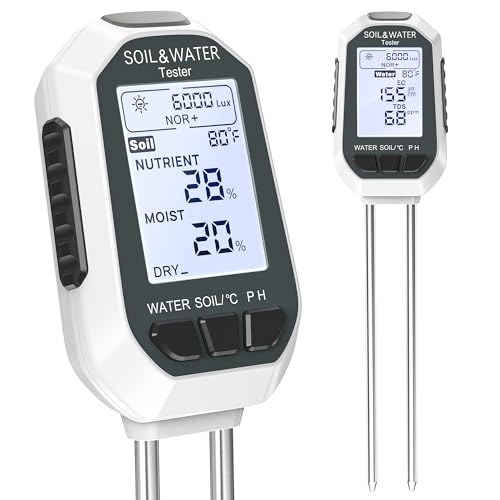
Dig a hole about 12 inches deep and fill it with water. If it drains within a few hours, you are in decent shape. If water still stands the next day, you have heavy clay or a drainage problem. Knowing whether you have clay, sandy or loam soil tells you what to amend. For details, see Understanding Clay, Sandy, and Loam Soil for Your Garden. A basic pH check is also worth doing, as explained in How to Test and Adjust Your Garden Soil’s pH Level.
Note Your Hardiness Zone
Find your USDA hardiness zone and buy plants rated for it or lower. A perennial rated for zones 4 to 8 will generally survive in zone 6, but one rated only for zones 9 to 11 will not.
Choose a Layout Style
Once you know your conditions, pick a structure. Layout determines how the garden reads from the house and how easy it is to maintain. For a beginner-friendly overview, Simple Garden Layout and Design Ideas for Beginners covers the basics well.
Cottage-Style Borders
Informal, layered beds with tall plants at the back and shorter ones in front. Cottage gardens tolerate some untidiness and suit most home styles. Plants like foxglove, Shasta daisy, coneflower and catmint fill the space generously.
Formal Geometric Beds
Straight edges, symmetrical plantings and clipped edges. These beds look crisp year-round and need consistent maintenance. Boxwood or lavender edging pairs well with this style. For defined borders, see 8 Best Flower Garden Edging Ideas for Defined Beds in 2026.
Island and Mixed Beds
A bed cut into the lawn, viewable from all sides. Place the tallest plant near the center and step down toward the edges. Island beds work well in open yards where a single focal point is needed.
Pollinator Meadows
Loose plantings of native wildflowers such as bee balm, black-eyed Susan and purple coneflower. These need less fussing but more room, and they attract bees, butterflies and hummingbirds.
Flower Ideas for Garden Beds by Season
The strongest flower ideas for garden planning come from staggered bloom times. If you plant only spring bulbs, your beds go bare by July. Plan for at least one plant blooming in each season.
| Season | Flower Options | Light Need |
|---|---|---|
| Early spring | Crocus, daffodil, hellebore, muscari | Full to part sun |
| Late spring | Peony, iris, columbine, allium | Full sun |
| Summer | Coneflower, salvia, daylily, black-eyed Susan | Full sun |
| Late summer | Phlox, Russian sage, sedum, aster | Full sun |
| Fall | Mums, anemone, sedum Autumn Joy, goldenrod | Full sun |
Ideas for Flower Garden Color Schemes
Pick a limited palette of two or three main colors, then add one accent. Monochromatic schemes in blues and purples feel calm. Hot schemes of red, orange and yellow feel energetic. White flowers brighten shady corners and read well at dusk.
Flower Ideas for Garden Height and Texture
Combine tall spikes like delphinium or veronica with mid-height plants such as salvia and low mounders like catmint or dianthus. Vary leaf texture too: fine-leaved plants like threadleaf coreopsis contrast nicely with broad hostas or bergenia.
Step-by-Step: Building Your Flower Bed
- Mark the bed outline with a garden hose or spray paint.
- Remove grass and weeds, either by sheet mulching or digging out the sod.
- Loosen the soil 8 to 12 inches deep and mix in 2 to 3 inches of compost.
- Sketch the layout on paper, placing tall plants 18 to 24 inches from the back edge, mid-height plants 12 to 18 inches apart, and low plants 8 to 12 inches apart.
- Set plants in their pots first to check spacing before digging.
- Water deeply after planting and apply 2 to 3 inches of mulch, keeping it an inch away from stems.
Tools You Will Need
- Spade or digging fork
- Hand trowel
- Garden hose or spray paint for marking
- Measuring tape
- Wheelbarrow for compost and mulch
- Pruning shears
Planting for Pollinators and Low Maintenance
Choosing native plants and grouping like-needs plants together cuts work dramatically. Plants that share water and light requirements can be watered on one schedule. Drought-tolerant species such as yarrow, lavender and gaillardia reduce irrigation needs once established. If you live in a dry area, How to Prepare a Garden Bed for Drought Conditions explains how to set up beds that handle dry spells.
Keeping Your Flower Garden Healthy
Once planted, keep flowers producing by deadheading spent blooms, watering at the base, and thinning overcrowded clumps every three to four years. Monitor for powdery mildew and aphids early. For practical steps, see How to Keep Flowers Blooming and Healthy in Your Garden and How to Prevent Plant Diseases in Your Garden.
Common Mistakes to Avoid
- Planting too close together. Crowded plants look full for one season, then compete for light and air, which invites disease.
- Ignoring mature size. Check the expected spread on the plant tag, not the size of the nursery pot.
- Skipping soil preparation. Compacted or poorly drained soil stunts even the toughest perennials.
- Buying only one bloom season. Plan for color from early spring to frost.
- Overwatering established beds. Most mature perennials need deep watering once or twice a week rather than daily sprinkling.
Recommended Gear
A few supplies make bed preparation and upkeep noticeably easier. A quality digging fork helps loosen compacted soil without flipping layers. For watering, a flexible garden hose with a shutoff nozzle lets you water precisely at the base of plants. Organic mulch such as shredded bark or straw keeps moisture in and weeds down. A soil thermometer is useful for timing spring planting.
- Broadfork or digging fork: Breaks up compacted soil without inverting layers. View on Amazon
- Flexible garden hose with adjustable nozzle: Lets you direct water to root zones. View on Amazon
- Shredded hardwood mulch: Suppresses weeds and holds moisture around perennials. View on Amazon
- Soil thermometer: Confirms soil temperature before sowing or transplanting. View on Amazon
Tips for Success
- Start with a small bed of 50 to 100 square feet and expand once you understand its needs.
- Photograph the bed monthly to spot gaps in bloom time.
- Leave some seedheads standing in fall for birds and winter interest.
- Divide spring-blooming perennials every three to five years to keep them vigorous.
- Keep a simple garden journal noting bloom dates and problems.
FAQ
What is the easiest flower garden to start with?
A small cottage-style border with a few reliable perennials such as coneflower, catmint, daylilies and black-eyed Susan is forgiving for beginners and needs little beyond sun and occasional watering.
How many hours of sun do most flowers need?
Most flowering plants want at least six hours of direct sun per day. Shade-tolerant options like hostas, astilbe and bleeding heart perform well with three to four hours.
How far apart should I plant flowers?
Follow the spacing on the plant tag. As a general rule, small perennials go 8 to 12 inches apart, medium ones 12 to 18 inches, and large shrubby perennials 24 to 36 inches.
Can I plant a flower garden in clay soil?
Yes, but amend it first. Work 2 to 3 inches of compost into the top 8 to 12 inches and choose plants tolerant of heavy soil, such as coneflower, daylily and Siberian iris.
When is the best time to plant a flower bed?
Early fall and early spring are ideal for most perennials because soil is moist and air temperatures are moderate. Annuals should go in after the last frost date for your area.
How much mulch should I use?
Apply 2 to 3 inches of organic mulch, keeping it an inch or two away from plant stems to prevent rot.
Do flower gardens need fertilizer?
Many established perennials need little. A top-dressing of compost once a year is often enough. Avoid high-nitrogen fertilizers, which encourage leafy growth at the expense of flowers.
Conclusion
Good ideas for a flower garden begin with honest site assessment and a layout that suits your space. Plan for bloom from spring through fall, group plants with similar needs, and keep beds mulched and watered. Start small, take notes, and expand as you learn what thrives in your yard.