 By Claire Whitaker
Updated November 2026
Are tomato plants perennials? Technically, yes. Tomatoes are tender perennials, meaning they can live for several years if they never experience frost. In most of the United States, though, they are grown as annuals because the first hard freeze kills them. This guide explains why tomatoes behave this way, which climates let them come back, and how to keep a plant alive through winter if you want to try.
By the end, you will know whether your garden zone supports a multi-year tomato, how to prepare a plant for overwintering, and what to expect from its production over time.
Shopping for one? See our guide: Are Lily Plants Perennials? 6 Best Picks Compared for 2026.
Why Tomatoes Are Perennials in Theory
Tomatoes (Solanum lycopersicum) come from the Andes region of South America, where temperatures stay mild year-round. In that environment the plant behaves like any woody or semi-woody perennial. The stems keep growing from the growing tips, the root system persists, and the plant flowers and fruits again each season.
Tomatoes are not hardy, though. They have no tolerance for freezing temperatures. A single night at or below 32°F (0°C) typically damages foliage and fruit, and sustained cold kills the entire plant. That is the main reason gardeners in cold climates treat tomatoes as annuals.
Tomato Plants vs. True Perennials
A true perennial, such as a hosta or a peony, has underground structures like rhizomes, crowns or bulbs that survive winter regardless of top growth. Tomatoes do not have those organs. Their survival depends on the above-ground stems and the root ball staying alive and warm enough to resume growth in spring.
Which Climates Let Tomatoes Live Longer
Tomatoes can live multiple years only where winter temperatures stay above freezing. In practice that means USDA Plant Hardiness Zones 10 and 11, along with sheltered microclimates in zone 9. Coastal Southern California, south Florida, Hawaii, and parts of South Texas fit this description.
Use the table below as a general guide. Actual results depend on microclimate, wind exposure, and how cold the coldest night of the year gets.
| USDA Zone | Typical Lowest Winter Temp | Can Tomatoes Overwinter? |
|---|---|---|
| 11 | 40°F and above | Yes, reliably |
| 10 | 30 to 40°F | Usually, with some protection |
| 9 | 20 to 30°F | Possible in sheltered spots |
| 8 and colder | Below 20°F | Not without indoor overwintering |
How to Overwinter a Tomato Plant
If you live in a cold zone but want to test whether a favorite plant will return, you can move it indoors before the first frost. This works best with determinate varieties that are not too large, and with indeterminate plants you can prune hard before bringing them inside.
Step 1: Choose the Right Plant
Pick a healthy, pest-free plant with no fruit rot or blight. Plants that struggled all season will likely struggle more indoors. Cherry and patio types are easier to manage than large beefsteaks because they have smaller root systems and fit under grow lights more easily.
Step 2: Prune and Pot
Cut the plant back by about one third to one half, removing spindly growth, yellowed leaves, and any fruit that will not ripen in time. Dig up the plant with as much root as possible and move it into a container at least 5 gallons in size with drainage holes. Water thoroughly and let it drain.
Step 3: Acclimate Gradually
Plants moved straight from full sun to a dim room often drop leaves within days. Bring the pot into a shaded porch or garage for three to five days first, then move it to the brightest window or under a grow light.
Step 4: Provide Light, Water and Warmth
Tomatoes need strong light to survive winter indoors. A south-facing window may not be enough in short winter days. Most growers use a full-spectrum LED grow light set about 6 to 12 inches above the foliage, running 12 to 16 hours a day. Keep room temperatures between 60 and 75°F and avoid cold drafts from doors or windows.
Water when the top inch of soil feels dry, which will be less often than in summer. Overwatering is one of the most common causes of root rot indoors. Feed lightly with a balanced liquid fertilizer every three to four weeks, or stop feeding entirely if growth slows.
Step 5: Manage Pests
Indoor tomatoes are prone to whiteflies, spider mites and aphids, which thrive in dry, warm indoor air. Inspect the undersides of leaves weekly. Wipe leaves with a damp cloth and use insecticidal soap at the first sign of infestation.
Checklist: Before You Bring a Tomato Indoors
- Confirm the plant is healthy and free of disease.
- Prune back by one third to one half.
- Pot into a container of at least 5 gallons with drainage.
- Acclimate in shade for three to five days.
- Set up a grow light or confirm a very bright south window.
- Check for pests on leaves and stems.
- Plan to reduce watering and feeding during winter.
What to Expect in Year Two
A tomato that survives winter often produces fruit sooner than a new seedling, since the root system and framework are already established. However, production may be lighter in the first year back outdoors, and older plants become more prone to disease and pest buildup. Many gardeners find that replacing the plant with fresh seedlings every two or three years gives the best harvests.
Common Mistakes
- Skipping the acclimation period. Sudden light changes cause leaf drop. Ease the plant into its new conditions.
- Overwatering in winter. Cooler indoor temperatures mean soil dries more slowly. Let the top inch dry out before watering.
- Bringing pests indoors. Check the plant and wash the pot before moving it inside.
- Assuming a zone 8 plant will survive a zone 8 winter outdoors. Even mild freezes will kill exposed stems.
- Letting the plant become root-bound. Repot into a larger container in spring if roots circle the pot.
Tips for Success
- Label the variety so you know which plants performed best.
- Take cuttings in late summer as a backup; they root easily in water or moist potting mix.
- Keep an eye on day length; tomatoes react to light cues and may stall without enough light.
- In zones 9 and colder, consider growing a fresh plant from seed each spring rather than relying on overwintering.
Recommended gear
A full-spectrum LED grow light is the single most useful item for overwintering tomatoes, since most homes do not provide enough light for fruiting plants in winter. Look for a light rated for vegetables or flowering plants and mount it on an adjustable stand. View on Amazon
A container of at least 5 gallons with drainage holes gives the root ball room to grow and reduces the risk of waterlogging. Choose a plastic or fabric pot that is easy to move. View on Amazon
A moisture meter helps prevent overwatering, which is the most common winter problem indoors. Insert the probe into the root zone to check moisture before watering. View on Amazon
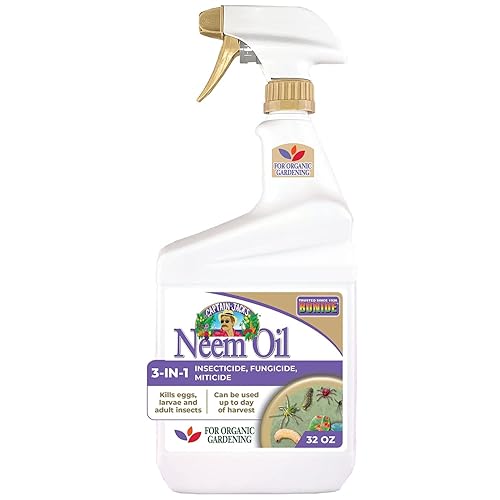
Insecticidal soap is a practical first response to whiteflies, aphids and spider mites on indoor tomatoes. Follow the label instructions and test on a single leaf before treating the whole plant. View on Amazon
FAQ
Do tomato plants come back every year?
Only in frost-free climates, generally USDA zones 10 and 11. Elsewhere, the first hard freeze kills the plant and it must be replanted from seed or transplants.
Can I leave tomato plants in the ground over winter?
In zones 10 and 11, yes, and they may keep growing for several years. In colder zones, they will die once temperatures drop below freezing and cannot be left outdoors.
Is it worth trying to overwinter a tomato plant?
It can be, especially for a rare or favorite variety, but results vary. Plants often lose vigor after a winter indoors, and many gardeners find fresh seedlings more productive.
How much light does an indoor tomato need?
Plan for 12 to 16 hours of strong light daily. A south-facing window alone is often insufficient in winter, so a grow light is usually necessary.
Why are my overwintered tomato leaves falling off?
Leaf drop usually signals a sudden change in light, temperature or water. Check that the plant had a gradual acclimation period, is not sitting in cold drafts, and is not overwatered.
Can tomatoes be grown from cuttings to keep them going?
Yes. Stem cuttings taken in late summer root readily in water or moist potting mix. Rooted cuttings can be grown on as new plants, which is a useful backup strategy.
Do determinate tomatoes overwinter better than indeterminate types?
Determinate varieties are more compact and easier to manage indoors, so they are often chosen for overwintering. Indeterminate types can also be overwintered if pruned hard first.
Conclusion
Tomato plants are perennials by nature, but they only live year after year in frost-free climates. Gardeners in zones 10 and 11 can grow them as long-lived plants, while those in colder zones can attempt to overwinter a favorite plant indoors with pruning, good light and careful watering. For most people in cooler regions, starting fresh from seed each spring remains the most dependable approach.
Related reading
- When and How to Divide Perennial Plants Successfully
- What Does Perennials Plants Mean? A Plain-English Guide
- Difference Between Annuals and Perennials Plants (2026): Which Should You Choose?
Ready to choose one?
About Claire Whitaker
Claire Whitaker is part of our editorial team and reviews and edits our plant care Q&A guides, checking product details against manufacturer specifications and owner feedback.