 By Claire Whitaker
Updated November 2026
Choosing a neem oil for indoor plants sounds simple, but the bottles on store shelves differ in concentration, ingredients, and how they are packaged. Some are ready-to-use sprays, others are concentrates you mix yourself. This guide compares five products based on what they are specified to do, how the brands present their formulations, and the patterns indoor growers commonly report. Our selection criteria were product specifications, brand reputation, the clarity of the label, suitability for indoor use, and the convenience of the format.
Our top picks at a glance
- 1
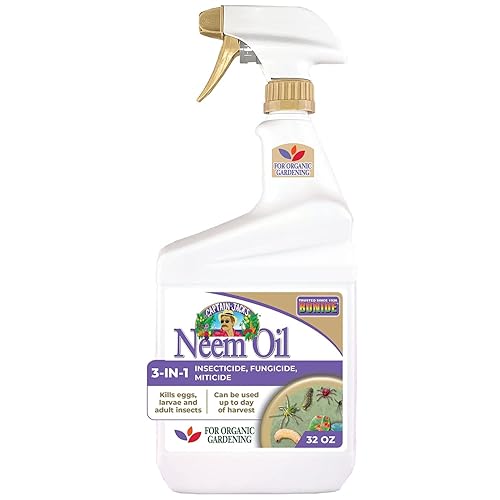 TOP CHOICEBest overallBonide Captain Jack's Neem Oil Spray for Plants, 32 oz Ready-to-UseView on Amazon
- 2
 TOP CHOICEBest for families with petsSmart Grower Neem Oil Spray for Plants with Peppermint Oil, 16ozView on Amazon
- 3
 TOP CHOICEBest for mixing your ownNeem Oil for Plants (Makes 30 Bottles) with Spray Bottle & Essential OilsView on Amazon
- 4
 Best for broad pest coverageBioAdvanced Organics Neem Oil Spray, 24 fl ozView on Amazon
- 5
 Best budget pickNatria Neem Oil Spray for Gardening, 24 oz BottleView on Amazon
Our Top Picks
Before the individual reviews, here is a side-by-side view of the five products.
| Product | Best for | Key feature |
|---|---|---|
| Bonide Captain Jack’s Neem Oil Spray for Plants, 32 oz | Overall indoor and outdoor use | Ready-to-use, labeled for insects, diseases and mites |
| Natria Neem Oil Spray for Gardening, 24 oz | Budget-conscious growers | Ready-to-use, labeled for houseplants and home gardens |
| Neem Oil for Plants (Makes 30 Bottles) with Spray Bottle | Growers who want to mix their own | Concentrate with essential oils for leaf shine |
| BioAdvanced Organics Neem Oil Spray, 24 fl oz | Multi-problem pest control | 3-in-1 fungicide, insecticide and miticide |
| Smart Grower Neem Oil Spray for Plants with Peppermint Oil, 16oz | Homes with pets and children | Peppermint-scented, marketed as pet-safe |
Bonide Captain Jack’s Neem Oil Spray for Plants, 32 oz Ready-to-Use
3-in-1 Protection Against Insects, Diseases and Mites, For Indoor and Outdoor Plants, Approved for Organic Gardening Bonide Captain Jack's Neem Oil Spray for Plants, 32 oz Ready-to-Use
Best for: Overall indoor and outdoor use with a single bottle
This is a good fit for growers who want one spray that covers several common problems on houseplants and garden plants alike. The label describes it as a 3-in-1 product for insects, diseases and mites, approved for organic gardening.
Key specs
- Ready-to-use spray in a 32 oz bottle
- Labeled for indoor and outdoor plants
- Listed as approved for organic gardening
Pros
- Covers insects, diseases and mites on one label
- No mixing required
- Large bottle suits a collection of several plants
Cons
- Ready-to-use sprays cost more per ounce of active ingredient than concentrates
- Strong odor during application may bother some households
Bottom line: A sensible first choice for someone who wants a dependable, label-ready spray for a mixed indoor and outdoor collection.
Natria Neem Oil Spray for Gardening, 24 oz Bottle
Ready-to-Use – Pest Control & Disease Control – Use for Houseplants and Home Gardens Natria Neem Oil Spray for Gardening – 24 oz Bottle
Best for: Budget-conscious growers who want a ready-to-use spray
Natria is aimed at home gardeners and houseplant owners who want a labeled, ready-to-use product without a mixing step. It is a straightforward option for a small or medium indoor collection.
Key specs
- Ready-to-use spray in a 24 oz bottle
- Labeled for pest and disease control on houseplants and home gardens
Pros
- Ready to use right out of the bottle
- Clearly labeled for houseplant use
- Smaller bottle is easier to store indoors
Cons
- Smaller volume may run out quickly on a large collection
- Spray must be reapplied on a schedule, so ongoing use adds up
Bottom line: Best for a small number of houseplants where convenience matters more than the lowest cost per use.
Neem Oil for Plants (Makes 30 Bottles) with Spray Bottle & Essential Oils
Neem Oil for Plants (Makes 30 Bottles) with Spray Bottle & Essential Oils for Indoor Houseplants & Outdoor Gardens, Natural Leaf Shine
Best for: Growers who want to mix their own and stretch a single purchase
This concentrate is designed to be diluted into a spray bottle, which makes it suitable for people who treat plants regularly and want to control the strength of each batch. The listing notes essential oils for leaf shine.
Key specs
- Concentrate sold as makes 30 bottles
- Includes a spray bottle
- Contains essential oils, per the listing
Pros
- Lower cost per treatment when diluted
- Includes a spray bottle to start
- Useful for treating many plants over a season
Cons
- Requires measuring and mixing, and dilution errors can stress leaves
- Mixed solution should be used within a short window and stored properly
Bottom line: The right pick for a regular treatment routine, as long as you are comfortable following dilution rates exactly.
BioAdvanced Organics Neem Oil Spray, 24 fl oz
Ready-To-Use Garden Protection Spray – 3-in-1 Fungicide, Insecticide & Miticide BioAdvanced Organics Brand Neem Oil Spray – 24 fl oz
Best for: Multi-problem pest control on a plant with several issues
BioAdvanced describes this spray as a combined fungicide, insecticide and miticide. That broad labeling suits growers dealing with more than one type of pest or early signs of fungal trouble.
Key specs
- Ready-to-use spray in a 24 fl oz bottle
- Labeled as a 3-in-1 fungicide, insecticide and miticide
Pros
- Covers several problem types in one product
- Ready to use without measuring
- Useful for mixed infestations
Cons
- Broad labeling does not replace identifying the actual problem
- Oil-based sprays can leave residue on glossy leaves if overapplied
Bottom line: A good option when you are not yet sure which pest or disease you are fighting and want broad coverage.
Smart Grower Neem Oil Spray for Plants with Peppermint Oil, 16oz
Pet-Safe*, Smells Good, Beneficial & Bee Friendly*, Natural Leaf Shine & Plant Wash Spray, Ready-To-Use. By Smart Grower 16oz Neem Oil Spray for Plants with Peppermint Oil. Indoor & Outdoor Plant Use
Best for: Homes with pets and children, and anyone who dislikes strong plant odors
The listing describes this product as pet-safe, bee-friendly and scented with peppermint oil. It is marketed for both indoor and outdoor use, and the smaller bottle suits a handful of plants.
Key specs
- Ready-to-use spray in a 16 oz bottle
- Contains peppermint oil
- Listed for indoor and outdoor plant use
Pros
- Pleasant peppermint scent compared with many neem sprays
- Marketed as pet-safe, which matters in homes with animals
- Compact bottle is easy to handle
Cons
- Smaller bottle means more frequent repurchasing for larger collections
- Pet-safe claims should still be checked against your own animal’s habits; consult a veterinarian if you have concerns
Bottom line: The most considerate choice for a household where scent and pet exposure are priorities.
Buying Guide
A few factors separate a good neem oil from an ill-suited one. Use the list below to match a product to your plants and household.
Ready-to-use spray versus concentrate
Ready-to-use sprays save time and eliminate mixing errors. Concentrates cost less per treatment but require accurate measuring. If you treat only a few plants occasionally, a ready-to-use spray is usually simpler.
Good picks for this: Bonide Captain Jack’s Neem Oil Spray for Plants; Neem Oil for Plants (Makes 30 Bottles)
Labeled uses and pest coverage
Check whether the label names the pests or diseases you are dealing with. Labels that list insects, mites and diseases give broader coverage, but no label replaces correct identification of the problem.
Good picks for this: BioAdvanced Organics Neem Oil Spray; Bonide Captain Jack’s Neem Oil Spray for Plants
Bottle size and how many plants you grow
For a few plants, a 16 to 24 oz bottle is manageable. For a larger collection treated every one to two weeks, a 32 oz bottle or a concentrate will reduce how often you repurchase.
Good picks for this: Bonide Captain Jack’s Neem Oil Spray for Plants; Smart Grower Neem Oil Spray for Plants with Peppermint Oil
Scent and household safety
Neem oil has a distinctive smell that many people find unpleasant. Products with added peppermint or other essential oils are often chosen for smell. Labels describing pet safety should be read carefully, and any concern about exposure to animals or children is worth raising with a veterinarian or pediatrician.
Good picks for this: Smart Grower Neem Oil Spray for Plants with Peppermint Oil; Neem Oil for Plants (Makes 30 Bottles)
Ingredients and extra additives
Some formulas include emulsifiers or essential oils to help the oil mix with water and spread across leaves. Read the ingredient list to know what you are spraying, especially if you have sensitive plants or humans who handle them often.
Good picks for this: Neem Oil for Plants (Makes 30 Bottles); Smart Grower Neem Oil Spray for Plants with Peppermint Oil
Use on delicate or glossy leaves
Oil-based sprays can leave a film on glossy leaves and may cause leaf burn if applied in strong sunlight or at too high a concentration. Test a small area first and avoid spraying in direct sun or at high heat.
Good picks for this: Natria Neem Oil Spray for Gardening; BioAdvanced Organics Neem Oil Spray
Storage, shelf life and mixing
Store neem products out of direct sunlight and away from freezing temperatures. Mixed concentrate solutions lose effectiveness over time, so mix only what you will use within a short period, as the label directs.
Good picks for this: Neem Oil for Plants (Makes 30 Bottles); Natria Neem Oil Spray for Gardening
FAQ
Is neem oil safe to use on indoor plants?
Neem oil is widely used on houseplants when applied according to the label. Test a single leaf first and wait a day to check for damage. Keep spraying away from pets and children until the leaves have dried, and read the label for any specific warnings.
How often should I spray neem oil on houseplants?
Most labels suggest reapplying on a regular schedule while a pest problem persists, often every seven to fourteen days. Stop once you have seen no new pests for two to three weeks, and always follow the specific instructions on your product.
Can neem oil be used on flowering houseplants?
Use caution on plants in bloom. Oil can affect flowers, so spray leaves and stems and avoid soaking blossoms. Check the label, and test on a single flower before treating the whole plant.
Does neem oil kill spider mites and mealybugs?
Neem oil is commonly listed as effective against soft-bodied insects and mites, including spider mites and mealybugs. Thorough coverage of leaf undersides is important, because pests often hide there. Repeat treatments are usually needed.
Should I dilute a ready-to-use neem oil spray?
No. Ready-to-use sprays are formulated to be applied as sold. Diluting them can reduce effectiveness or change how the product behaves. Only dilute concentrates, and only at the rate the label specifies.
Is neem oil the same as an insecticidal soap?
They are different products. Both are used against soft-bodied pests, but neem oil also has labeled activity against some diseases and works differently on the insect. Choose based on the label and the problem you are treating.
When should I call a professional?
If a plant keeps declining despite several treatments, or if you are unsure what is causing the damage, a local extension office or a certified plant professional can help identify the problem. Anyone with concerns about pesticide exposure in the home should consult a medical professional or poison control.
Conclusion
The best neem oil for indoor plants depends on how you grow and who shares your home. For most people, the Bonide Captain Jack’s Neem Oil Spray offers a dependable ready-to-use option with broad labeling. Growers on a tighter budget may prefer the Natria spray, while those who treat plants often and want to control strength will get more value from the concentrate. Households with pets or sensitive noses should look at the peppermint-scented Smart Grower spray, and anyone dealing with several issues at once may appreciate the BioAdvanced Organics product. Whatever you choose, test on a small area, follow the label, and reapply on schedule until the problem is gone.
For more background on keeping plants healthy indoors, see How to Diagnose and Fix Common Indoor Plant Issues and Understanding Light Levels for Healthy Indoor Plants. Plants that are stressed by low light or poor care are more vulnerable to pests, so Taking Care of Indoor Plants: A Step-by-Step Guide That Works is also worth reading.
Sources
- How pesticides are registered, labeled and regulated for home and garden use (epa.gov)
- Research-based guidance on managing houseplant and garden pests (extension.org)
- University extension information on applying horticultural oils safely (aces.edu)
Related reading
- Tropical Plants for Indoor Use: 9 Picks That Thrive in Your Home
- Tropical Indoor House Plants: A Step-by-Step Guide to Thriving Greenery
- No Maintenance Indoor Plants: 9 Easy Picks That Survive Neglect
About Claire Whitaker
Claire Whitaker is part of our editorial team and reviews and edits our plant care Q&A guides, checking product details against manufacturer specifications and owner feedback.